
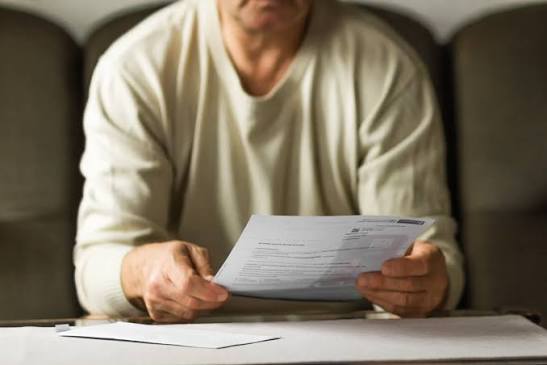
An unexpectedly high electricity bill can be frustrating, especially when household routines have not changed much. Many homeowners assume that rising costs are caused by using more appliances, but electricity consumption can increase for several different reasons. Seasonal weather, inefficient equipment, hidden electrical problems, and changes in utility rates can all contribute to higher monthly expenses.
What is happening inside your home is the first step toward controlling electricity costs. By checking common appliances, reviewing your usage patterns, and identifying possible energy waste, you may be able to find the reason behind an increasing bill without making expensive changes immediately.
Seasonal Changes Can Increase Electricity Consumption
Weather conditions have a major influence on household electricity usage. During hot summer months, air conditioners, fans, refrigerators, and other cooling equipment may operate for longer periods. In colder regions, electric heaters and other heating devices can significantly increase consumption during winter.
Even if your daily habits remain the same, changing outdoor temperatures can make electrical appliances work harder.
For example, an air conditioner may consume more electricity when the outdoor temperature is extremely high because it needs to remove more heat from indoor spaces. Similarly, an electric heater may run longer when temperatures fall below normal.
Compare your current electricity bill with bills from the same season in previous years. This can help you determine whether the increase is related to seasonal conditions rather than a sudden household problem.
Air Conditioners May Be Using More Electricity Than Expected
Air conditioning is one of the common reasons electricity bills increase during hot weather. Several issues can cause cooling equipment to consume more energy than usual.
Dirty air filters restrict airflow, making the system work harder. Blocked outdoor units, damaged insulation around refrigerant lines, poor maintenance, and incorrect thermostat settings can also affect performance.
A few warning signs include:
- The air conditioner runs for unusually long periods.
- Rooms take longer than normal to cool.
- Airflow from vents feels weak.
- Cooling is uneven throughout the house.
- Electricity bills rise despite similar usage.
Cleaning or replacing filters according to the manufacturer’s instructions may improve airflow. Make sure outdoor units are not blocked by leaves, dirt, or other objects. If cooling performance remains poor, arrange professional servicing.
Setting the thermostat to a reasonable temperature and keeping doors and windows closed while cooling can also reduce unnecessary energy consumption.
Older Appliances May Be Costing More to Operate
Household appliances gradually become less efficient as they age or develop problems. Refrigerators, washing machines, water heaters, and other frequently used devices can contribute to higher electricity consumption when they are not working properly.
An older refrigerator may have worn door seals that allow cold air to escape. A washing machine may develop mechanical problems that affect its performance. Electric water heaters may accumulate sediment, depending on the water supply and maintenance history.
When an appliance begins operating differently, it may be worth checking its condition rather than immediately replacing it.
Compare the energy consumption of older appliances with modern efficient models before deciding whether replacement is worthwhile. Sometimes a repair can restore normal performance, while in other situations a new appliance may provide better long-term value.
Standby Power Can Add to Household Energy Use
Some electrical devices continue consuming electricity even when they are not actively being used. This is often called standby power or phantom energy consumption.
Devices that may use standby electricity include:
- Televisions
- Gaming consoles
- Desktop computers
- Printers
- Chargers and adapters
- Microwave ovens
- Smart speakers and connected equipment
The amount consumed by an individual device may be small, but several devices operating continuously can contribute to overall household usage.
Unplug equipment that does not need to remain connected, or use suitable power strips to switch off groups of devices when they are not required. However, avoid disconnecting equipment that needs continuous power for safety, monitoring, or normal operation.
Lighting Habits May Be Increasing Your Bill
Lighting is another area where small habits can create unnecessary electricity consumption. Leaving lights on in empty rooms, using inefficient bulbs, or installing more lighting than necessary can increase monthly energy use.
Older incandescent bulbs generally consume more electricity than comparable LED bulbs. Replacing frequently used bulbs with suitable LEDs can reduce energy consumption while providing similar brightness.
Homeowners can also improve lighting efficiency by:
- Turning off lights when leaving a room.
- Using natural daylight whenever practical.
- Choosing appropriate brightness levels.
- Installing motion sensors in suitable areas.
- Avoiding unnecessary decorative lighting.
These changes are relatively simple and do not require major electrical work.
Hidden Electrical Problems Should Not Be Ignored
Sometimes an increasing electricity bill may be associated with an electrical problem. Damaged wiring, faulty equipment, malfunctioning controls, or other electrical issues may require professional investigation.
Warning signs include unusual buzzing sounds, burning smells, hot outlets, flickering lights, frequently tripping breakers, or appliances behaving unexpectedly.
These symptoms should not be ignored. Electrical problems can create serious safety risks, and homeowners should avoid opening electrical panels or attempting repairs without the necessary training.
If you suspect an electrical fault, contact a qualified electrician to inspect the system.
Check Your Electricity Meter and Billing Information
An increase in the bill does not always mean your household has used more electricity. Billing adjustments, rate changes, estimated readings, previous unpaid balances, or changes in billing periods may also affect the total amount.
Review your bill carefully and compare the electricity units consumed rather than looking only at the final payment amount.
Check the following details:
- Total kilowatt-hours used
- Billing period length
- Meter reading information
- Electricity rate changes
- Additional charges or adjustments
- Previous balance, if applicable
If the bill shows an unusually high consumption figure that does not match your household activity, contact your electricity provider and request clarification.
Use Your Electricity Meter to Investigate Unusual Consumption
A meter can help homeowners understand how much electricity the property is using. If your meter displays current consumption or allows readings to be recorded, you may be able to compare usage at different times of the day.
Start by recording the meter reading. Turn off unnecessary appliances and observe whether consumption changes. You can then switch on individual appliances and compare the difference, provided it is safe to do so.
Smart meters, where available, may provide more detailed information about usage patterns. Some electricity monitoring devices can also measure the consumption of individual appliances.
Never interfere with meter wiring, seals, or electrical connections. Meter-related inspections and repairs should be handled by authorized professionals.
Poor Insulation and Air Leaks Can Make Appliances Work Harder
Homes with inadequate insulation or gaps around doors and windows may experience greater temperature changes throughout the day.
During summer, hot air can enter through poorly sealed openings, increasing the workload of air conditioners. During winter, warm indoor air may escape, making heating systems operate for longer periods.
Common problem areas include attic spaces, exterior doors, window frames, roof areas, and openings around plumbing pipes.
Weatherstripping, suitable insulation, curtains, and basic air sealing can help improve indoor comfort and reduce unnecessary heating or cooling demand. The best improvements depend on your home’s construction and climate.
Create a Simple Household Electricity Audit
If your electricity bill continues increasing, a basic energy audit can help identify where consumption is occurring.
Begin by listing the appliances used regularly and estimating how many hours they operate each day. Pay special attention to high-power devices such as air conditioners, electric heaters, water heaters, electric ovens, and clothes dryers.
You can use the following table to organize your investigation.
| Appliance or area | What to check |
| Air conditioner | Filters, temperature settings, maintenance and operating hours |
| Refrigerator | Door seals, temperature settings and ventilation |
| Water heater | Temperature setting, leaks and maintenance |
| Lighting | Bulb type and unnecessary usage |
| Electronics | Standby power and charging habits |
| Electrical system | Unusual sounds, heat, odors or flickering |
| Electricity bill | Units consumed, billing period and rate changes |
An energy audit does not need to be complicated. Even a simple review of your household routines can reveal opportunities to reduce waste.
Practical Ways to Prevent Future Bill Increases
Once you identify the main causes, focus on changes that are realistic for your household.
Maintain appliances regularly, use heating and cooling equipment sensibly, replace inefficient lighting, and avoid leaving unnecessary devices running. Improve insulation or seal drafts when appropriate, and consider energy-efficient replacements when older appliances become unreliable.
It is also useful to monitor electricity consumption every month. Keeping a record of readings and bills can help you notice unusual changes before they become a bigger problem.
Take Control of Your Household Electricity Costs
An increasing electricity bill can result from several factors, including seasonal weather, inefficient appliances, standby power, electrical problems, billing changes, and poor insulation. Finding the actual cause is more effective than making random changes throughout the home.
Start by reviewing your bill, checking the appliances that consume the most electricity, and observing your daily usage habits. Address maintenance issues and investigate unusual electrical symptoms with professional help.
With regular monitoring and a few practical improvements, homeowners can better understand their electricity consumption, reduce avoidable waste, and make more informed decisions about household energy use.
