
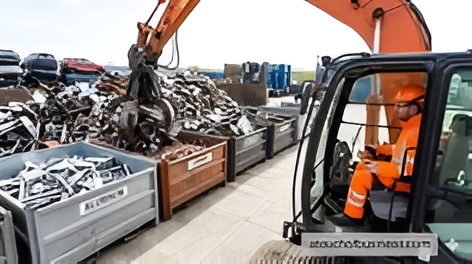
Metal scrap is an unavoidable part of many manufacturing processes. CNC machining, stamping, die casting, metal forming, and other industrial operations can generate chips, turnings, slugs, trim, and larger pieces of waste material. When employees have to handle this scrap manually, production can become less efficient and work areas can become difficult to manage.
That is where metal scrap conveying systems can make a significant difference. These systems transport scrap from production equipment to collection bins, processing equipment, compactors, separators, or recycling areas. However, choosing the right system requires more than selecting a conveyor from a catalog. Scrap characteristics, production volume, plant layout, safety, maintenance, and future requirements all need consideration.
What Are Metal Scrap Conveying Systems?
Metal scrap conveying systems are mechanical material-handling solutions designed to move metal waste through a manufacturing facility. Depending on the application, they can transport machining chips, steel turnings, stamping scrap, aluminum pieces, and other materials from one point to another.
Different conveyor designs suit different materials. Steel belt conveyors, drag conveyors, magnetic conveyors, oscillating conveyors, screw conveyors, and other specialized systems are available for industrial applications. The appropriate choice depends on the type and volume of scrap, its temperature and moisture, the distance it needs to travel, and the downstream process.
Why Scrap Transportation Matters
Scrap transportation affects more than housekeeping. When chips or metal pieces accumulate around machines, employees may need to stop production activities to remove them. Repeated manual handling also consumes labor and can create additional exposure to sharp edges, hot material, or moving equipment.
An automated conveyor creates a predictable route for material. Once properly integrated with the production process, it can continuously or intermittently move scrap toward a designated destination. OSHA guidance recognizes conveyors as equipment requiring appropriate safeguards because moving machinery can present hazards such as nip points and other dangerous areas.
How Metal Scrap Conveyors Work
A scrap conveying system generally receives material from a machine, hopper, chute, or other loading point. The conveyor then transports the material using a belt, chain, oscillating motion, magnetic force, screw mechanism, or another method until it reaches the discharge point.
The process may be relatively simple for a single CNC machine, but larger plants can use several interconnected conveyors. Material might travel from individual machines to a central conveyor before entering a chip processing or recycling system.
From Machine to Collection Point
A CNC machine, stamping press, or other production unit can discharge scrap directly onto or into a conveyor. The system then carries the material away from the equipment and toward a collection container or processing station.
The arrangement needs to account for discharge height, scrap volume, machine movement, access for operators, and maintenance requirements. A poorly positioned conveyor can create as many practical problems as it solves, so layout planning should happen before equipment selection.
Types of Conveyors Used for Metal Scrap
There is no single conveyor design that works for every industrial application. Metal scrap varies considerably in size, weight, shape, temperature, and surface condition. For that reason, manufacturers use several types of conveying equipment.
Choosing the right design starts with understanding the material stream. Conveyor suppliers commonly consider factors such as scrap form, material, coolant content, throughput, and plant layout when determining suitable equipment.
Steel Belt Conveyors
Steel belt conveyors are widely used for metalworking applications because their construction can handle many types of chips and scrap. They may transport wet or dry material and can be configured for different production environments.
They are particularly useful where the scrap stream contains sharp or abrasive pieces. Nevertheless, belt construction, loading conditions, conveyor speed, and drive capacity should match the actual application.
Oscillating Conveyors
Oscillating conveyors use controlled movement to transport material. Certain designs are suited to applications involving hot, wet, or abrasive scrap.
Because their operating mechanism differs from conventional belt systems, they can offer advantages in particular industrial environments. The final choice should still depend on material characteristics and the manufacturer’s application recommendations.
Magnetic Conveyors
Magnetic conveyors can be useful for moving ferrous metal scrap. Magnets beneath a conveying surface can attract and transport suitable steel or iron material while allowing certain nonferrous materials to follow a different path.
However, magnetic equipment is not appropriate for every scrap stream. Aluminum, copper, and other nonferrous metals behave differently, so material composition should be established before selecting this type of conveyor.
Matching the Conveyor to Scrap Characteristics
One of the biggest mistakes manufacturers can make is selecting equipment without carefully analyzing the scrap. Two machines may both produce “metal chips,” yet those chips could behave very differently during transportation.
Short, dry chips are generally easier to manage than long, tangled turnings. Heavy stamping pieces may create significant impact when they fall onto a conveyor. Hot material introduces temperature considerations, while oily or coolant-covered chips introduce fluid-management requirements.
Wet and Oily Scrap
Machining chips often contain cutting fluids. If the conveyor carries substantial amounts of coolant, the system may need to accommodate drainage or fluid recovery.
Managing fluid properly can improve housekeeping and support downstream processing. Some industrial conveyor designs are specifically offered for wet or oily machining scrap, although the correct configuration depends on the application.
Hot and Abrasive Material
Foundries, die-casting operations, and certain metal-forming processes can generate hot scrap. Such applications require equipment designed for the expected temperature and impact conditions.
Abrasive material can also accelerate component wear. Sharp edges can affect belts, chains, bearings, scrapers, and other components over time. Therefore, manufacturers should provide suppliers with accurate information about the scrap’s physical characteristics.
Using Conveyors With CNC Machines
CNC machining centers can produce a continuous stream of chips during production. If these chips are left to accumulate, operators may need to interrupt their primary work to remove them.
A conveyor installed near the machine can transport chips away automatically. Depending on the machine and conveyor configuration, scrap may travel directly to a collection bin, chip processing equipment, or a larger centralized conveying network.
Managing Multiple CNC Machines
Large facilities may connect several CNC machines to a common scrap-handling network. This arrangement can reduce the need for individual containers and repeated forklift movements.
However, capacity calculations become especially important. A central conveyor serving several machines must accommodate the combined scrap output, including periods when several machines operate at high production rates simultaneously.
Conveying Scrap From Stamping Presses
Stamping operations produce different types of scrap, including slugs, trim, skeleton material, and other pieces. Some of these pieces can be thin and sharp, while others can be comparatively heavy.
The conveyor must be able to withstand the impact and shape of the material entering it. Equipment designed specifically for stamping applications can provide features suited to these conditions.
Handling High Scrap Volumes
Press operations can generate large amounts of scrap quickly. If the conveying system cannot keep pace, material can accumulate around the production equipment.
When evaluating capacity, manufacturers should consider peak output rather than only average production. Conveyor speed, belt width, loading conditions, transfer points, and discharge arrangements should all be reviewed.
Safety Requirements for Scrap Conveyors
Safety should be included in the design from the beginning. Conveyors contain moving belts, chains, rollers, drives, and other components that can create pinch points or entanglement hazards.
OSHA’s machine-guarding requirements address hazards associated with moving machinery, including rotating parts, nip points, and flying chips or sparks. Conveyor-specific requirements also address matters such as emergency stops, guarding, warning signals, and safe maintenance procedures.
Guarding Moving Parts
Guards help prevent employees from accidentally reaching hazardous machinery. Depending on the equipment, appropriate safeguards may include fixed guards, interlocked guards, adjustable guards, or other protective arrangements.
Employees should never remove a guard simply because it makes cleaning or inspection easier. Instead, maintenance procedures should provide safe access while equipment is properly shut down and isolated.
Maintenance of Metal Scrap Conveying Systems
Even heavy-duty metal scrap conveying systems require regular maintenance. Metal scrap can be sharp, heavy, abrasive, wet, oily, or hot, creating demanding conditions for mechanical components.
A preventive maintenance program can help identify wear before it results in an unexpected shutdown. The manufacturer’s maintenance instructions should form the basis of the schedule because requirements differ between conveyor types and applications.
Components That Need Attention
Depending on the conveyor design, maintenance personnel may need to inspect belts, chains, sprockets, bearings, rollers, scrapers, drives, sensors, and guards.
Unusual noise, vibration, belt tracking problems, material buildup, repeated blockages, or changes in operating performance should receive attention. Small problems can become expensive failures when they remain unresolved.
Safe Cleaning Procedures
Scrap should never be removed from a running conveyor by hand. Employees should follow the equipment manufacturer’s shutdown instructions and applicable lockout/tagout procedures before accessing hazardous areas.
OSHA requirements emphasize controlling hazardous energy during servicing and maintenance. Safe isolation protects workers from unexpected machine movement or startup.
Designing an Efficient Conveyor Layout
Plant layout plays a major role in the success of a scrap-handling system. Engineers need to determine where scrap originates, where it needs to go, how much floor space is available, and whether the material needs to change elevation.
A well-planned system can reduce unnecessary transfers and avoid complicated routing. At the same time, sufficient access should remain available for operators, maintenance personnel, and emergency procedures.
Planning for Future Production
Manufacturers should think about expected growth before finalizing a conveyor design. Additional CNC machines, higher production volumes, or new product lines can increase scrap generation.
Planning for reasonable future capacity may prevent expensive modifications later. However, designing a system with excessive capacity can also increase costs unnecessarily. The best approach is to base expansion allowances on realistic production plans.
Automation and Conveyor Controls
Modern conveying equipment can integrate with automated manufacturing processes. Sensors, variable-speed drives, level indicators, and programmable controls can help coordinate scrap movement with machine activity.
For example, a conveyor may operate according to machine cycles or collection levels rather than running continuously. This approach can help match transportation with actual material generation.
Monitoring System Performance
Sensors and control systems can also help identify abnormal conditions. Depending on the application, monitoring may detect overloads, belt movement problems, material levels, or other operating conditions.
Automation should always work alongside appropriate safety systems. Production efficiency should never take priority over required guarding, emergency controls, or safe maintenance practices.
Scrap Conveying and Recycling
The final destination of metal scrap often involves recycling or further processing. Once material reaches a centralized location, it may be separated, compacted, shredded, briquetted, or prepared for shipment.
A well-designed conveying arrangement can help keep different materials organized. This matters because ferrous and nonferrous metals often require different downstream handling.
Improving Material Separation
Separating scrap at the source can reduce contamination and make recycling easier. Steel, aluminum, copper, and other materials may have different recycling values and processing requirements.
Conveyors can support segregation by directing different material streams to designated collection points. However, the entire plant’s handling process must support separation for the system to work effectively.
Environmental and Operational Benefits
Efficient scrap handling can support both operational and environmental goals. Organized collection can reduce scattered material, improve housekeeping, and make recyclable material easier to recover.
The U.S. Environmental Protection Agency identifies recycling as an important part of sustainable materials management and notes benefits such as conserving natural resources and reducing material sent to disposal.
Reducing Unnecessary Manual Handling
When workers repeatedly move scrap containers, valuable time can be spent on transportation instead of production activities. Automated conveying can reduce some of these repetitive tasks.
It does not eliminate the need for employees. Instead, it can allow workers to focus on production, inspection, maintenance, and other responsibilities while the conveyor handles routine material movement.
Cost Considerations
The purchase price of a conveyor is only one part of the overall investment. Installation, electrical work, controls, structural supports, maintenance, spare parts, and potential production downtime should also be considered.
A low-cost conveyor may become expensive if it cannot handle the actual scrap stream or requires frequent repairs. On the other hand, a highly specialized system may provide little additional value in a simple application.
Evaluating Long-Term Value
Manufacturers should compare equipment according to expected service life, maintenance requirements, energy use, reliability, and production impact.
A system with a somewhat higher initial price may provide better value if it offers greater durability and easier maintenance. The decision should therefore consider total ownership costs rather than the initial quotation alone.
When an Existing Conveyor Needs an Upgrade
Existing equipment may require an upgrade when production increases, scrap characteristics change, breakdowns become frequent, or maintenance costs continue rising.
Before replacing an entire system, manufacturers should determine the actual source of the problem. A conveyor may need a control modification, improved transfer point, replacement wear components, or increased capacity rather than complete replacement.
Common Warning Signs
Frequent blockages, excessive material accumulation, unusual mechanical noise, repeated component failures, and growing downtime can indicate that a system needs attention.
Safety deficiencies require even faster action. Damaged guards, malfunctioning emergency controls, or unsafe maintenance access should be addressed promptly.
Questions to Ask Before Purchasing
Before investing in metal scrap conveying systems, manufacturers should prepare detailed information about their application. Useful questions include:
- What type of metal scrap will be transported?
- How much scrap does the facility produce per hour?
- What is the maximum expected production rate?
- Is the material wet, oily, hot, or abrasive?
- Are the pieces short chips, long turnings, slugs, or larger scrap?
- How far must the material travel?
- Does it need to move upward or downward?
- Where will the material be collected?
- Does the facility need separate streams for different metals?
- How much future production growth is expected?
- What maintenance access is available?
- Which safety requirements apply?
Answering these questions before contacting a supplier can make the selection process much more efficient.
Working With a Qualified Supplier
An experienced conveyor supplier should ask detailed questions about the application instead of simply recommending the largest or most popular model.
Providing photographs, production information, scrap samples, dimensions, and details about the current handling process can help suppliers understand the actual challenge. This information can lead to a more appropriate recommendation.
The Future of Scrap Conveying
Industrial material handling continues to become increasingly automated. Sensors, electronic controls, variable-speed systems, and equipment monitoring can provide manufacturers with greater control over scrap movement.
However, basic engineering principles remain essential. Technology cannot compensate for equipment that is incorrectly sized or poorly matched to the material. Reliable performance still depends on suitable design, correct installation, routine maintenance, and proper employee training.
Balancing Efficiency and Safety
The most effective conveying arrangement balances productivity, reliability, safety, and maintenance. Increasing conveyor speed alone does not guarantee better performance.
A successful system should move scrap consistently while keeping maintenance practical and employees protected from moving machinery. This broader perspective can help manufacturers make better long-term decisions.
Conclusion
Metal scrap conveying systems can become an important part of an efficient manufacturing operation. By moving chips, turnings, stamping scrap, and other metal waste through controlled routes, these systems can reduce repetitive manual handling, improve housekeeping, support recycling, and connect production equipment with downstream processing.
Selecting the right system requires careful consideration of the material and the manufacturing environment. Scrap size, shape, weight, temperature, moisture, coolant content, abrasiveness, and production volume all influence conveyor selection. Plant layout, future expansion, automation, maintenance access, and safety requirements also deserve attention.
There is no universal solution for every facility. A steel belt conveyor may suit one application, while an oscillating, magnetic, drag, or specialized conveyor may be more appropriate for another. Manufacturers should therefore evaluate the complete scrap-handling process instead of choosing equipment based only on initial price or appearance.
With appropriate engineering, installation, preventive maintenance, employee training, and safety controls, a well-designed conveying system can provide dependable scrap transportation for years. Most importantly, the system should support the manufacturing process rather than create another bottleneck. A careful evaluation at the planning stage can help businesses achieve cleaner operations, better material flow, and more predictable long-term performance.
