
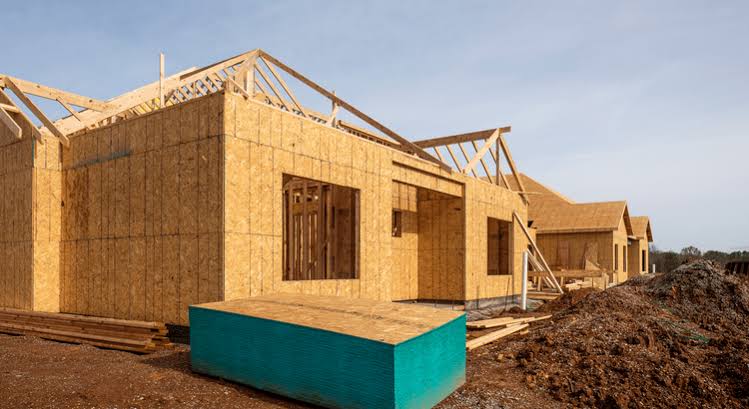
Choosing between an older house and a newly built home is an important decision for anyone planning to purchase property in the United States. Both options offer different advantages, and the right choice depends on your budget, lifestyle, location preferences, and expectations for future maintenance.
An older property may provide a larger yard, an established neighborhood, mature trees, and architectural details that are difficult to find in modern construction. On the other hand, a newly built home often comes with updated layouts, modern materials, energy-efficient features, and fewer immediate repair concerns.
However, neither option is automatically better. A new house can have construction defects or expensive community fees, while an older property may be well-maintained and offer excellent long-term value.
Before making a decision, it is helpful to compare the most important factors that affect the purchase price, everyday comfort, maintenance expenses, and future resale potential.
Purchase Price and Overall Affordability
The purchase price is usually one of the first things buyers compare when looking at older and newly constructed homes.
Older houses may sometimes be more affordable than new properties in the same general area. This can make them attractive to buyers who want to purchase a home without stretching their budget too far. However, the price depends heavily on the neighborhood, property condition, size, and local housing market.
Newly built homes can have higher asking prices, especially in popular developments with modern amenities. Buyers may also pay extra for premium flooring, upgraded kitchen cabinets, larger bathrooms, smart-home features, and other optional improvements.
It is important to look beyond the advertised price. An older house may require immediate repairs, while a new property may include additional expenses such as landscaping, window coverings, appliances, or homeowners association fees.
Compare the total expected cost rather than assuming that the cheaper property is automatically the better financial choice.
Construction Quality and Building Materials
The construction quality of a home affects its durability, safety, comfort, and future maintenance needs.
Older houses may have been built using traditional materials such as solid wood flooring, brick, plaster, and other construction methods common during their original building period. Some buyers appreciate these materials because they offer distinctive character and a solid appearance.
However, the condition of an older home depends on how well it has been maintained. Years of moisture exposure, weather damage, poor repairs, or general wear can weaken important building components.
Newly built homes generally use modern construction methods and materials. Their designs may incorporate improved insulation, updated windows, modern roofing products, and newer building systems.
Still, new construction does not guarantee excellent workmanship. Poor installation, rushed construction, or low-quality materials can create problems that become noticeable after the buyer moves in.
Regardless of the property’s age, a professional home inspection is important. For new construction, buyers should also review available warranties and consider an independent inspection before closing.
Maintenance and Repair Expenses
Maintenance is one of the biggest differences between buying an older property and a newly built home.
An older house may need more frequent attention because its major components have already experienced years of use. Depending on its condition, buyers may need to repair or replace:
- Roofing materials
- Plumbing pipes and fixtures
- Electrical wiring or panels
- Heating and cooling equipment
- Windows and exterior doors
- Flooring and wall finishes
- Water heaters and household appliances
These expenses can become significant if several major systems need attention at the same time.
A newly built house will usually have new or recently installed systems, which may reduce the need for immediate replacements. However, homeowners are still responsible for routine maintenance, including cleaning gutters, servicing HVAC equipment, checking plumbing, and maintaining outdoor areas.
New construction can also develop problems, such as leaking fixtures, poorly sealed windows, drainage issues, or defective appliances. Buyers should not assume that everything will work perfectly simply because the property has never been occupied.
Energy Efficiency and Monthly Utility Bills
Energy efficiency can have a noticeable impact on the cost of living in a house.
Older homes may have outdated insulation, single-pane windows, inefficient heating systems, or air leaks around doors and openings. These features can make it harder to maintain comfortable indoor temperatures.
As a result, homeowners may spend more on electricity, natural gas, heating, and air conditioning. However, some older properties have already received energy-efficiency improvements, so buyers should examine the actual condition rather than judging by age alone.
Newly built homes often include modern insulation, energy-efficient windows, improved heating and cooling equipment, and appliances designed to use less energy.
Some new developments may also include features such as programmable thermostats, LED lighting, and energy-efficient water heaters.
Ask the seller or builder about the home’s insulation, heating and cooling systems, and available energy ratings. Reviewing previous utility bills for an older property can also help estimate its operating costs.
Location and Neighborhood Features
Location can be just as important as the condition of the house. Older and newly built properties are often found in different types of neighborhoods.
Older homes are commonly located in established communities with mature trees, existing roads, developed public services, and nearby shopping areas. Some may offer shorter travel distances to schools, workplaces, parks, restaurants, and public transportation.
These neighborhoods can be attractive to buyers who prefer established surroundings and convenient access to everyday services.
Newly built homes are frequently found in developing communities or expanding suburban areas. These locations may offer planned streets, modern community facilities, and newly constructed schools or shopping centers.
However, some developments may still be waiting for nearby services, road improvements, or commercial facilities to become fully available.
Before choosing a property, research the neighborhood’s development plans, traffic conditions, school options, public transportation, and access to essential services. A beautiful house may become less convenient if everyday destinations are too far away.
Floor Plans and Modern Living Requirements
The layout of a home affects how comfortably people can use its space.
Older houses may have separate rooms, smaller kitchens, narrower hallways, and more traditional floor plans. Some buyers prefer this arrangement because it creates distinct areas for cooking, dining, working, and relaxing.
Other older properties may have unusual room sizes or limited storage space. Their layouts might not suit households that prefer open living areas or larger modern kitchens.
Newly built homes often include open floor plans, larger kitchen islands, spacious primary bedrooms, walk-in closets, and dedicated laundry areas.
Many builders also offer flexible spaces that can be used as home offices, guest rooms, or entertainment areas.
However, an open floor plan is not ideal for everyone. Some families prefer separate rooms for privacy, noise control, and different daily activities.
Think about how you use your living space before deciding. The best floor plan is one that supports your everyday routine rather than simply following current design trends.
Customization and Renovation Possibilities
Older homes can provide opportunities for renovation and personalization. Buyers may be able to update kitchens, replace flooring, improve bathrooms, remove certain non-structural walls, or create additional storage.
This flexibility can be appealing to people who enjoy home improvement projects and want a property that reflects their personal style.
However, renovation work can be more complicated than expected. Older houses may contain outdated wiring, plumbing problems, structural limitations, or materials that require special handling. Local permits and building requirements may also affect the work.
Newly built homes sometimes offer customization options before construction is completed. Depending on the builder and purchase agreement, buyers may select cabinets, countertops, flooring, paint colors, fixtures, and certain layout features.
Once construction is finished, making changes may require additional spending.
Buyers should ask which upgrades are included in the advertised price and which are considered optional extras. A low base price may not include all the features shown in the model home.
Warranties and Protection After Purchase
Warranty coverage is another important factor when comparing older houses with newly built properties.
Newly constructed homes may come with builder warranties covering certain workmanship issues, materials, systems, or structural components. Coverage periods and exclusions vary by builder, state, and contract.
Some manufacturers also provide separate warranties for appliances, roofing materials, windows, and heating or cooling equipment.
Before signing a purchase agreement, request written warranty documents. Check what is covered, how long coverage lasts, how claims must be submitted, and whether certain maintenance requirements apply.
Older homes usually do not come with the same type of builder warranty. However, some sellers may offer a home warranty as part of the transaction, or buyers may choose to purchase one independently.
A home warranty is not the same as homeowners insurance or a guarantee that every repair will be covered. Policies contain limits, exclusions, and service conditions.
Buyers should understand these differences before relying on warranty protection.
Property Taxes and Homeowners Association Fees
The ongoing cost of owning a home includes more than mortgage payments and utilities.
Property taxes are an important expense in the United States, and they depend on the local tax rate and the property’s assessed value. A newly built home may receive a different assessment from the land’s previous tax value, so buyers should investigate the likely tax bill after construction is completed.
Older homes may have an established tax history, but that does not mean the current amount will remain unchanged after purchase.
Homeowners association fees are another consideration. New developments may be part of planned communities with shared facilities, landscaping services, private roads, or recreational areas.
These services can be convenient, but HOA fees add to the monthly or annual cost of ownership. Some older neighborhoods also have homeowners associations, so buyers should check rather than assume that only new communities charge these fees.
Review association rules, budgets, reserve funds, and any history of special assessments before committing to a property.
Environmental and Safety Considerations
Older houses may contain materials or systems that require additional safety checks.
Depending on the construction date and previous renovations, potential concerns can include lead-based paint, asbestos-containing materials, outdated electrical components, and older plumbing systems.
Homes built before 1978 in the United States may contain lead-based paint. Federal disclosure requirements generally apply to most covered residential sales involving pre-1978 housing.
Asbestos may also be present in certain older building materials. It is not necessarily dangerous when undisturbed and in good condition, but damaged materials may require professional evaluation.
New homes are generally constructed under current building codes and applicable safety standards. They may include modern smoke alarms, improved electrical protection, and updated ventilation systems.
However, new construction still needs proper inspection. Buyers should check drainage, stairways, railings, garage safety features, smoke alarms, carbon monoxide alarms, and other important details.
Safety should remain a priority regardless of the home’s age.
Resale Value and Long-Term Investment Potential
A house is both a place to live and a major financial asset. Buyers should consider how easily the property might attract future purchasers.
Older homes in established neighborhoods can have strong resale appeal, particularly when they offer convenient locations, attractive architecture, larger lots, or desirable community features.
However, an older property that needs significant repairs may be harder to sell unless its price reflects its condition.
Newly built homes may attract buyers who want modern layouts, updated systems, and less immediate maintenance. Properties in well-planned communities may also benefit from neighborhood amenities.
On the other hand, a new development with many similar houses may face competition from other properties in the same area.
No home guarantees a profit. Future resale value depends on local demand, interest rates, employment conditions, neighborhood development, property maintenance, and broader housing market trends.
Research recent sales of comparable homes before deciding how much a property is worth.
Which Option Is Better for First-Time Home Buyers?
First-time buyers often have to balance affordability with the need to avoid unexpected expenses.
An older house may offer a lower purchase price or a better location. However, buyers should have enough savings to manage repairs, maintenance, and possible system replacements.
A newly built home may provide modern features and warranty protection, which can make initial ownership easier. However, the higher purchase price, optional upgrades, HOA fees, and developing neighborhood conditions may affect affordability.
The right choice depends on the buyer’s financial position and willingness to manage maintenance.
Before making an offer, calculate the full cost of ownership. Include the mortgage payment, property taxes, insurance, utilities, HOA fees, maintenance, and emergency savings.
First-time buyers should also avoid using all their available savings for the down payment and closing costs. Keeping money available for unexpected expenses can make the first few years of ownership more manageable.
A Practical Checklist Before Choosing a Home
Use these points to compare older and newly built properties:
- Property condition: Check the roof, foundation, plumbing, electrical systems, and other major components.
- Total cost: Compare the purchase price with expected repairs, upgrades, and closing expenses.
- Energy performance: Review insulation, windows, appliances, and heating and cooling equipment.
- Location: Consider schools, workplaces, shopping, transportation, and future neighborhood development.
- Layout: Make sure the available space suits your household’s daily needs.
- Warranty coverage: Understand what protection is available and what it excludes.
- Ongoing expenses: Review taxes, insurance, utilities, maintenance, and HOA fees.
- Resale potential: Research comparable properties and local market conditions.
Comparing both options using the same criteria can make the decision much clearer.
Choose the Home That Fits Your Needs and Budget
Deciding whether to buy an older house or a newly built home requires careful consideration of more than appearance and purchase price. Older properties may offer established locations, unique character, and renovation opportunities, while new homes can provide modern layouts, updated systems, and possible warranty protection.
Both choices also come with potential disadvantages. Older houses may require expensive repairs, while newly built properties can have higher prices, additional fees, or construction defects.
The smartest approach is to evaluate each property individually. Arrange a professional inspection, research the neighborhood, review all expected expenses, and consider how the home will meet your needs over the coming years.
Ultimately, the better home is not necessarily the newest or the oldest. It is the property that offers the right combination of location, condition, comfort, long-term affordability, and value for your investment.
