
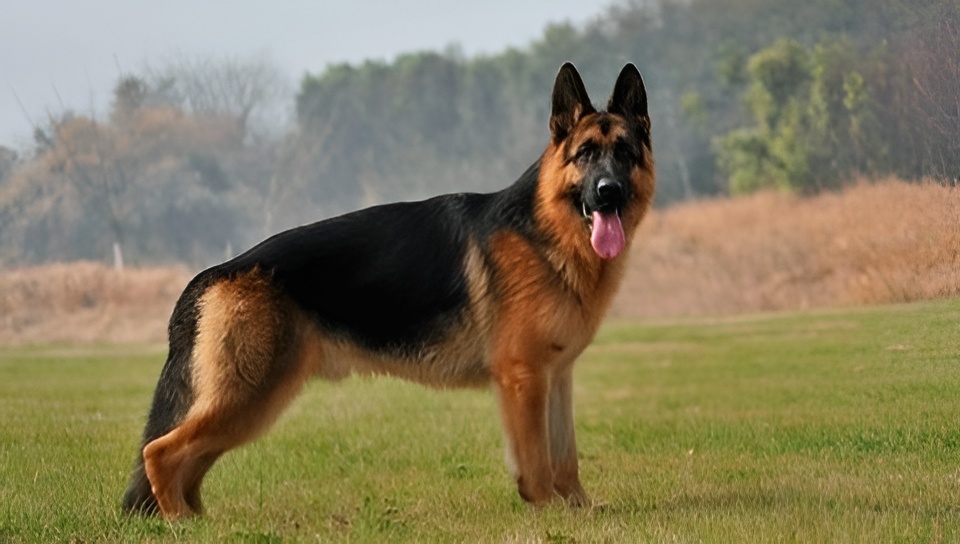
What Is a DDR German Shepherd?
A DDR German Shepherd refers to German Shepherd Dogs descended from working bloodlines developed in the former German Democratic Republic, commonly known as East Germany. These dogs remain part of the German Shepherd Dog breed rather than being a separate breed. The term mainly describes a historical breeding background associated with particular working priorities.
The German Shepherd itself was developed as a functional working dog. The breed’s history is closely associated with Max von Stephanitz, who founded the Verein für Deutsche Schäferhunde in 1899. Early breeding efforts emphasized useful working qualities, intelligence, character, and physical ability rather than appearance alone.
The History Behind DDR German Shepherd Lines
The history of these bloodlines is connected to the political division of Germany following World War II. East Germany developed its own breeding programs for German Shepherd Dogs, with selection focused heavily on practical working characteristics and physical durability.
Over generations, these breeding programs produced dogs that became associated with the DDR label. However, modern dogs can have varied pedigrees, so the term should not be treated as a guarantee of particular size, temperament, or working ability. A documented pedigree offers considerably more information than a seller’s description.
Why the East German Background Matters
German Shepherd Dogs were already established working animals before Germany was divided. Their intelligence, trainability, courage, and physical ability made them useful for police, military, herding, tracking, and other tasks.
East German breeding programs continued to emphasize these practical qualities. That history explains why enthusiasts often associate DDR bloodlines with strong working ability and substantial physical structure. Still, individual dogs can differ significantly, so responsible evaluation should always include health, temperament, pedigree, and structure.
Physical Characteristics of DDR German Shepherds
Many dogs associated with DDR lines have a substantial appearance. Enthusiasts often describe them as having strong bone, broad heads, solid bodies, substantial chests, and sturdy overall construction. These features can occur frequently within particular bloodlines, but they should not be treated as mandatory characteristics of every dog with East German ancestry.
The wider German Shepherd breed includes considerable physical variation. Sound structure and efficient movement remain important because the breed was created to perform demanding tasks. A strong-looking dog is not necessarily a better working dog, and excessive size can sometimes work against athletic efficiency.
Coat Colors and Appearance
DDR-associated dogs may have colors commonly seen throughout the German Shepherd breed, including sable, black and tan, black and red, and solid black. Coat color by itself cannot establish a dog’s bloodline.
A dog with a dark coat is not automatically a DDR dog, and a substantial-looking German Shepherd does not necessarily have East German ancestry. Pedigree documentation remains the better way to verify a dog’s background.
Temperament and Working Character
Temperament deserves considerable attention when evaluating working-line German Shepherds. The breed is known for intelligence, confidence, trainability, alertness, and a willingness to cooperate with its handler. The German Shepherd Dog’s traditional working purpose placed significant value on stable nerves and dependable behavior.
A DDR German Shepherd may possess strong working instincts, but that does not mean it should be aggressive or difficult to control. A stable working dog should respond appropriately to unfamiliar circumstances, recover from stressful situations, and follow its handler’s direction.
Confidence Is Different From Aggression
This distinction is particularly important for prospective owners. Some people assume that a powerful working dog should automatically be suspicious or confrontational. That is not a useful definition of a quality working temperament.
A confident dog can remain alert without reacting unnecessarily. Proper breeding, socialization, and training can help a German Shepherd develop appropriate responses to people, animals, environments, and everyday situations.
Why These Dogs Are Associated With Working Ability
The German Shepherd was originally developed around practical work. Max von Stephanitz emphasized functional ability and character when shaping the breed, and the breed later became widely used in police, military, search-and-rescue, detection, assistance, and sporting roles.
Historical East German breeding programs continued this working emphasis. As a result, DDR-associated lines gained a reputation among enthusiasts for physical strength and willingness to work. However, pedigree alone does not guarantee working performance.
Suitable Working Activities
German Shepherds can participate in many activities, including obedience, tracking, scent work, search and rescue, herding, agility, and other canine sports.
The most suitable activity depends on the individual dog’s temperament, health, age, and training. Owners should select activities responsibly and avoid assuming that every dog from a particular bloodline will excel at the same task.
Exercise and Mental Stimulation
German Shepherds are active, intelligent dogs, and many require substantial daily engagement. A brief walk may not provide enough stimulation for an energetic adult. Exercise should be adjusted according to age, health, physical condition, and veterinary advice.
Mental stimulation is equally valuable. Obedience exercises, scent games, controlled training sessions, and suitable canine sports can give the dog useful outlets for its intelligence. The American Kennel Club notes that German Shepherds enjoy activities such as obedience, tracking, agility, and herding.
Exercise for Puppies
Puppies need a more careful approach. Their bodies are still developing, so owners should not treat them like fully conditioned adult working dogs.
Age-appropriate play, controlled socialization, basic training, and veterinary guidance provide a better foundation. As the dog matures, activity can gradually increase according to its development and physical condition.
Training a DDR German Shepherd
Training should focus on communication, consistency, and cooperation. German Shepherds are intelligent and generally responsive to structured instruction, but they still need clear expectations.
Positive reinforcement can help teach desired behaviors, while consistent routines prevent confusion. Owners who plan to pursue advanced working activities should consider professional instruction from someone experienced with German Shepherds and working dogs.
Building Reliable Obedience
Basic obedience provides an important foundation. Commands involving recall, calm behavior, leash manners, and general responsiveness can make everyday life easier.
Training should continue throughout the dog’s life rather than stopping after puppy classes. Regular practice helps maintain communication between the dog and handler and provides valuable mental stimulation.
Socialization and Family Life
Early socialization can help a German Shepherd become more comfortable with different people, environments, sounds, surfaces, and experiences. The process should be gradual and controlled rather than overwhelming the puppy.
The goal is not to make the dog friendly toward every stranger. Instead, owners should aim for calm, predictable behavior. A well-socialized German Shepherd can remain appropriately alert while handling ordinary situations without excessive fear or reactivity.
Living With Children
German Shepherds can live successfully with children when the individual dog’s temperament and household management are appropriate. Adults should supervise interactions, especially when young children are involved.
Children should also learn how to interact respectfully with dogs. They should avoid disturbing a sleeping or eating dog and should not pull ears, tails, or fur. Because German Shepherds are strong animals, teaching appropriate boundaries is essential.
Health Considerations
A historical working pedigree does not protect a dog from inherited health conditions. German Shepherds can experience various health concerns, making responsible breeding and appropriate veterinary care important.
Prospective owners should ask breeders for health records and information about the parents and close relatives. Regular veterinary examinations, preventive care, appropriate nutrition, and weight management also contribute to long-term health.
Structure and Soundness
A working dog needs functional structure. The German Shepherd’s traditional purpose required efficient movement and physical endurance, so balanced construction remains important.
A larger frame is not automatically better. Excessive size or unsuitable proportions can create practical disadvantages. Responsible breeding should therefore consider health, structure, temperament, and working ability together.
Choosing a DDR German Shepherd Puppy
Selecting a puppy should begin with research into the breeder. Buyers should request pedigree information, health documentation, and details about the parents’ temperament and working background.
A responsible breeder should be willing to discuss the strengths and limitations of the bloodline. They should also ask questions about the buyer’s experience, household, and lifestyle because a good placement benefits both the puppy and its future owner.
Verifying the Pedigree
The DDR label can sometimes be used loosely in advertising. Buyers should therefore ask for actual pedigree documentation instead of relying on claims about ancestry.
A documented family history provides more useful information than a puppy advertisement. It allows buyers to investigate previous generations and understand the breeding program more clearly.
Grooming a DDR German Shepherd
German Shepherds generally have dense coats that require regular brushing. Brushing helps remove loose hair and keeps the coat in good condition. Seasonal shedding can be substantial, so prospective owners should be prepared for regular hair around the home.
Grooming also gives owners an opportunity to inspect the skin, paws, ears, and coat. Changes such as irritation, unusual lumps, or persistent skin problems should be discussed with a veterinarian.
Managing Shedding
Regular brushing can reduce the amount of loose fur that accumulates around the house, although it cannot eliminate shedding completely.
Owners should select grooming equipment appropriate for the dog’s coat and use it carefully. Professional grooming can also be useful when owners need advice about maintaining the coat.
Nutrition and Healthy Development
A balanced diet is important throughout a German Shepherd’s life. Puppies, adults, and senior dogs have different nutritional needs, so feeding should take age, activity level, size, and health into account.
Large-breed puppies require particular care because excessive or poorly balanced nutrition can contribute to inappropriate growth. Owners should discuss feeding with a veterinarian and monitor body condition rather than relying solely on weight.
Maintaining a Healthy Weight
Keeping a German Shepherd at an appropriate body condition can reduce unnecessary stress on its joints and support mobility.
Treats should be included when considering the dog’s total daily food intake. Regular veterinary examinations can help owners determine whether adjustments are needed.
Common Misconceptions About DDR German Shepherds
One common misconception is that every DDR-line dog will automatically be larger, stronger, or better than other German Shepherds. Such claims overlook the variation found within bloodlines.
Another misconception is that a working-line German Shepherd should naturally be aggressive. Stable temperament is actually much more valuable. A working dog needs confidence, responsiveness, and reliable control rather than unpredictable behavior.
Look Beyond the Label
The word “DDR” should provide historical context rather than become the sole reason for buying a dog. Buyers should evaluate pedigree, health testing, temperament, structure, breeder practices, and the puppy’s individual behavior.
This approach can also help prevent buyers from paying inflated prices based solely on marketing terminology.
Selecting a Responsible Breeder
A responsible breeder should provide clear information about health, pedigree, temperament, and the puppy’s upbringing. Whenever possible, prospective owners should meet the adult dogs and observe their behavior.
The breeding environment should appear clean and appropriately managed. Puppies should receive suitable veterinary attention and early socialization. A breeder should also be interested in whether the buyer can provide a suitable long-term home.
Red Flags to Consider
Be cautious when a seller makes strong claims about a dog’s DDR ancestry but cannot provide supporting pedigree records. Pressure to make an immediate purchase is another warning sign.
Buyers should also question breeders who describe aggression as a desirable quality. A powerful working dog needs reliable behavior and responsible handling.
Is a DDR German Shepherd Right for Every Home?
A working-line German Shepherd can be an excellent companion for an active, committed owner. However, these dogs may require substantial exercise, mental stimulation, training, and interaction.
People with limited time or little interest in training may find a high-drive working line challenging. Before purchasing a puppy, prospective owners should honestly evaluate their schedule, experience, living environment, and ability to meet the dog’s needs.
Matching the Dog to Your Lifestyle
A suitable home does not necessarily need to participate in professional dog sports. Daily walks, obedience training, scent games, structured play, and appropriate outdoor activities can provide valuable enrichment.
The important factor is consistency. A DDR German Shepherd should have a predictable routine, appropriate boundaries, meaningful activity, and positive interaction with its family.
What Makes DDR German Shepherds Appealing?
The appeal of these dogs comes partly from their historical connection to East German working programs. Enthusiasts often appreciate their substantial appearance, intelligence, physical capability, and potential for structured work.
Still, no bloodline guarantees a perfect companion. Individual genetics, early experiences, socialization, health, training, and environment all influence a dog’s development.
A Balanced Perspective
A DDR German Shepherd should be evaluated as an individual dog rather than simply as a label. Historical ancestry can be interesting and relevant, but it should not overshadow the dog’s health, temperament, structure, and suitability for the intended home.
This balanced approach helps prospective owners make better decisions and avoid exaggerated claims often associated with popular bloodline terminology.
Responsible Ownership Matters
Owning a German Shepherd is a long-term responsibility. Providing appropriate veterinary care, nutrition, grooming, training, exercise, socialization, and companionship requires time and financial commitment.
Owners should also remember that large, strong dogs require responsible management in public and at home. Secure containment, appropriate handling, and continued training can help create a safer environment for the dog and the people around it.
Building a Strong Relationship
German Shepherds often form close relationships with their handlers. Consistent communication and positive interaction can strengthen that bond while giving the dog clear guidance.
Training should therefore be viewed as an ongoing form of communication rather than a one-time task. A dog that understands household expectations is easier to manage and more likely to thrive within its environment.
Conclusion
The DDR German Shepherd represents a historical branch of German Shepherd working lines associated with former East Germany. These dogs are often valued for their working heritage, substantial physical structure, intelligence, and potential for demanding activities. However, they remain part of the broader German Shepherd breed, and individual dogs can vary considerably.
For anyone considering one, the smartest approach is to look beyond the label. Verify the pedigree, examine health information, assess temperament, research the breeder, and consider whether your lifestyle can provide sufficient training, exercise, socialization, and companionship.
Responsible ownership matters just as much as ancestry. With suitable care and training, a well-bred German Shepherd from DDR-associated lines can become a capable working partner and a devoted family companion. The most important goal should always be a healthy, stable, well-managed dog whose needs match the home in which it lives.
