
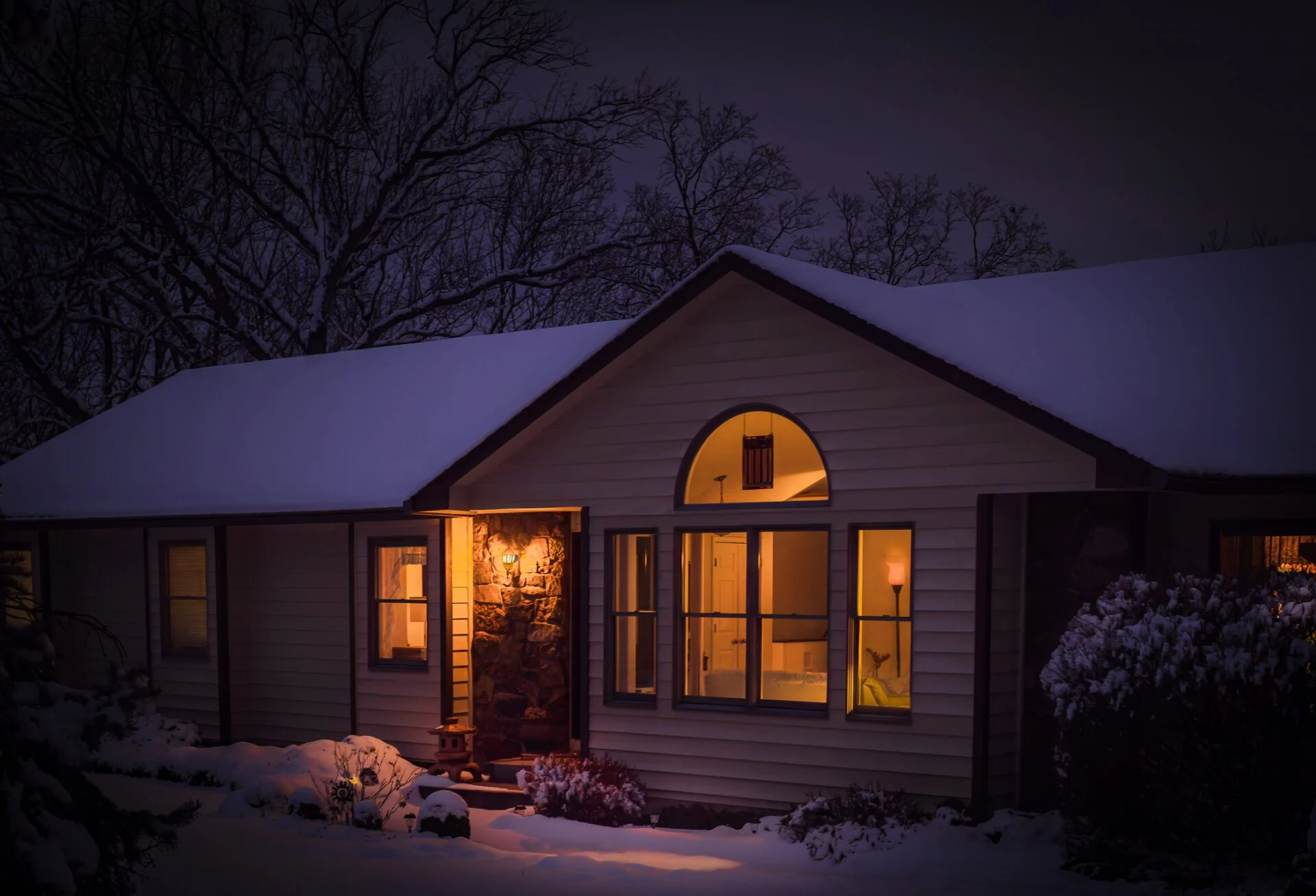
Keeping a home comfortable throughout the year can be challenging when outdoor temperatures change dramatically. During summer, air conditioners may run for hours to keep indoor spaces cool. In winter, heating systems work harder to maintain warmth. Both situations can increase electricity or gas bills, especially when a house is not properly designed or maintained.
The good news is that improving home energy efficiency does not always require expensive renovations. Small changes to insulation, windows, lighting, appliances, and daily habits can help reduce unnecessary energy use. With the right improvements, we can create a home that stays more comfortable during hot summers and cold winters without relying excessively on heating and cooling systems.
Understand Where Your Home Loses Energy
Before spending money on upgrades, it helps to understand how energy is being used inside the house.
Poor insulation, air leaks, outdated appliances, and inefficient heating or cooling equipment can all contribute to higher energy consumption. Some rooms may become too hot in summer, while others feel unusually cold during winter.
Walking through the home and checking these areas can help identify possible problems. Pay attention to drafty windows, gaps around doors, poorly insulated spaces, and rooms where temperatures are difficult to control.
A professional home energy assessment can provide a more detailed picture and help homeowners prioritize improvements.
Insulation Makes a Difference in Every Season
Insulation is one of the most useful features of an energy-efficient home. It slows the movement of heat between indoor and outdoor spaces.
During summer, good insulation helps limit the amount of outdoor heat entering the house. During winter, it reduces heat loss and helps maintain a more stable indoor temperature.
Check the Attic and Roof Area
The roof receives direct sunlight during hot weather, which can increase temperatures in the attic and affect the rooms below. Proper insulation can help reduce this heat transfer.
In colder months, insulation can help prevent warm indoor air from escaping through the roof area.
Don’t Overlook Walls and Floors
Exterior walls and floors above unheated spaces can also affect indoor comfort. If certain rooms remain uncomfortable despite regular heating or cooling, insulation may be worth investigating.
The right type and amount depend on the building’s design, local climate, and construction materials.
Seal Gaps Around Doors and Windows
Small openings can create noticeable energy waste over time. During summer, warm outdoor air may enter through gaps. In winter, heated indoor air can escape through the same openings.
Weatherstripping is a practical option for sealing movable parts of doors and windows. Caulking can help close suitable stationary gaps around frames and other areas.
We should also check door sweeps, window seals, and other places where drafts may occur.
These improvements are often relatively affordable and can make rooms feel more comfortable without changing the thermostat.
Keep Indoor Temperatures Comfortable in Summer
Air conditioning is useful during extreme heat, but it can consume a significant amount of electricity.
One practical approach is to choose a comfortable thermostat setting instead of making the room unnecessarily cold. Using ceiling or portable fans alongside air conditioning may help people feel cooler without lowering the temperature as much.
Fans circulate air but do not actually reduce the room’s temperature, so they should be switched off when a room is empty.
Closing curtains or blinds during the hottest parts of the day can also reduce unwanted heat from direct sunlight.
Prepare Your Home for Cold Winter Days
Winter energy efficiency is mainly about keeping warmth inside and reducing unnecessary heating demand.
Check doors and windows for drafts before colder weather arrives. Heavy curtains can provide an additional barrier around windows, particularly at night.
Furniture should not block heating vents or radiators because restricted airflow can make it harder to distribute warmth throughout the room.
If the home uses a heating system, regular maintenance and clean filters can support proper operation.
Make Better Use of Natural Sunlight
Sunlight can be useful in both summer and winter, but the way we manage it should change with the season.
During winter, opening curtains on sunny days can allow natural light and some solar warmth into rooms. Closing them after sunset helps reduce heat loss through windows.
In summer, the opposite approach may be more useful. Closing blinds or curtains before direct sunlight heats a room can reduce the cooling required later.
The direction of the windows also matters. South-facing, west-facing, and other exposed windows may receive different amounts of sunlight depending on location and season.
Upgrade to Energy-Efficient Lighting
Lighting is an easy area to improve without making major changes to the home.
LED bulbs generally use less electricity than traditional incandescent bulbs and have a longer operating life. They are available in different brightness levels and color temperatures, making it possible to choose suitable lighting for bedrooms, kitchens, living rooms, and workspaces.
We can also reduce unnecessary electricity use by switching off lights when leaving a room and using natural daylight whenever possible.
Choose Appliances That Use Less Energy
Household appliances can contribute significantly to energy consumption, particularly when older models operate inefficiently.
When replacing refrigerators, washing machines, dishwashers, or other major appliances, compare their energy ratings and estimated annual consumption.
An energy-efficient appliance may cost more initially, but lower operating costs can make it a sensible long-term investment.
There is no need to replace every working appliance immediately. It is often more practical to prioritize equipment that is old, inefficient, or frequently used.
Maintain Heating and Cooling Equipment
Even an efficient heating or cooling system may perform poorly without regular maintenance.
Air filters should be cleaned or replaced according to the manufacturer’s instructions. Outdoor units should have enough space around them for proper airflow, and vents inside the home should remain unobstructed.
If an air conditioner or heating system makes unusual noises, struggles to maintain temperature, or causes unexpectedly high energy bills, professional inspection may be worthwhile.
Proper maintenance can help identify problems before they become more expensive.
Use Smart Thermostats and Temperature Controls
Smart thermostats and programmable temperature controls can help manage heating and cooling schedules.
For example, the system can be adjusted when everyone leaves home and return to a comfortable setting before people come back. This reduces the need to maintain the same temperature throughout the day when it is not necessary.
Some systems also provide energy-use reports and remote control through smartphone applications.
However, these devices are most useful when they are compatible with the existing heating or cooling equipment and configured correctly.
Reduce Hot Water Energy Consumption
Hot water is another area where households can save energy throughout the year.
Long showers, leaking hot-water faucets, and unnecessarily high water-heater settings can increase energy use.
Installing suitable water-saving showerheads, fixing leaks, and choosing reasonable water-temperature settings may help reduce consumption.
Insulating accessible hot-water pipes can also reduce heat loss in appropriate installations.
These changes can lower energy demand without requiring major adjustments to everyday routines.
Consider Roof Improvements for Hot Weather
The roof plays an important role in how much heat enters a home.
Depending on the building and local climate, reflective roofing materials or suitable roof coatings may help reduce heat absorption. Proper attic ventilation can also support the management of heat and moisture when designed appropriately.
However, roof improvements should be selected according to the existing structure and local weather conditions. A solution that works well in one climate may not provide the same benefits elsewhere.
Make Small Daily Habits Part of Your Routine
Large improvements can help, but everyday behavior also matters.
A few practical habits include:
- Switch off lights and electronics when they are not needed.
- Use washing machines with suitable full loads.
- Avoid leaving refrigerator doors open unnecessarily.
- Clean air-conditioner filters regularly.
- Use curtains according to the season.
- Keep heating and cooling vents clear.
- Avoid running appliances unnecessarily.
- Use natural ventilation when outdoor conditions are comfortable.
These actions may seem minor individually, but together they can help reduce wasted energy.
Plan Improvements According to Your Budget
Not every homeowner can afford new windows, insulation projects, or modern heating and cooling equipment. Fortunately, energy efficiency can be improved gradually.
Start with affordable steps such as sealing drafts, switching to LED lighting, maintaining appliances, and adjusting temperature settings.
Afterward, consider larger improvements based on the home’s condition and energy needs. Insulation, efficient windows, roof upgrades, and modern HVAC equipment may offer additional benefits, but their costs should be compared with expected savings.
Prioritizing improvements can help avoid spending money on upgrades that provide little value.
A Comfortable Home All Year Round
Making a home energy efficient is not just about reducing monthly bills. It is also about creating a more stable indoor environment where rooms remain comfortable despite changes in outdoor temperatures.
Good insulation, sealed openings, suitable window coverings, efficient lighting, and properly maintained appliances can all contribute to better performance. Some improvements are inexpensive, while others require more planning and investment.
The most effective approach is to understand where energy is being wasted and make improvements one step at a time. By combining practical upgrades with sensible daily habits, we can reduce unnecessary energy consumption and enjoy a more comfortable home during both hot summers and cold winters.
