
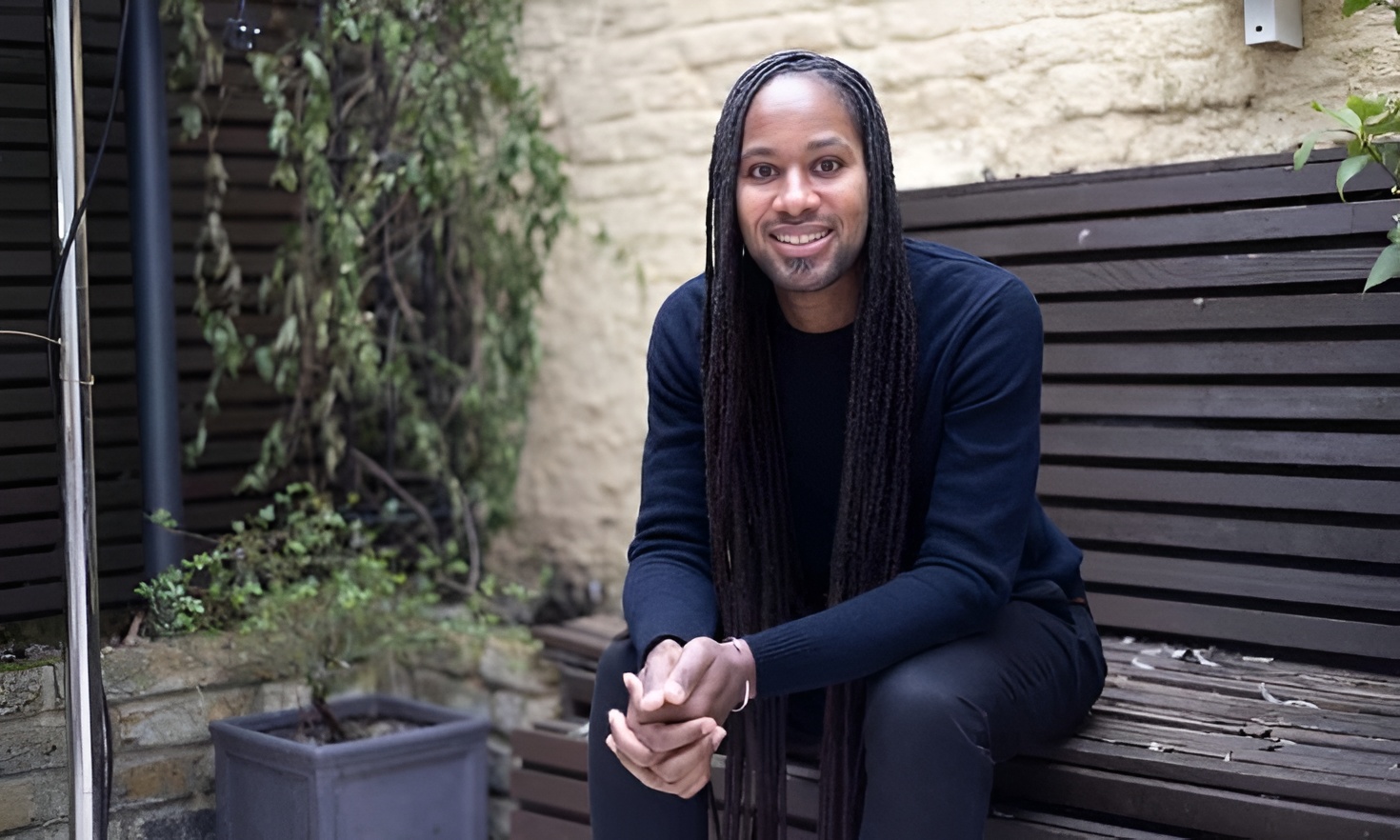
Who Is Jason Arday?
Jason Arday was a British sociologist and academic whose work focused on race, inequality, education, mental health, inclusion, and higher education. He became particularly well known in the United Kingdom because of his academic career and research into the experiences of people from minority backgrounds within educational institutions.
In 2023, Jason Arday was appointed Professor of Sociology of Education at the University of Cambridge. Cambridge described him as the youngest Black person to hold a professorship at the university at that time. His appointment attracted considerable public attention because it combined his academic achievements with his research interests in equality and representation.
His professional story later became considerably more complicated. In 2026, questions were raised about parts of his academic work and professional history, leading to substantial media coverage and an institutional review. He subsequently resigned from Cambridge. Because several issues remained subject to investigation and dispute, it is important to distinguish documented information from allegations when discussing his career.
Jason Arday’s Early Life and Education
Jason Arday was born in London and grew up in South London in a family with Ghanaian heritage. His early life became an important part of the biography associated with his academic career. Published accounts described significant challenges during his childhood and teenage years, including difficulties related to communication and education.
According to Cambridge’s published profile, Arday was diagnosed with autism as a young child. The university also stated that he did not speak until age 11 and did not learn to read and write until age 18. These details became a prominent part of the story surrounding his eventual progression into higher education.
His later educational achievements represented a substantial change from those early difficulties. His qualifications included a BA in Education Studies and Physical Education from the University of Surrey, followed by postgraduate study and a PhD in Education from Liverpool John Moores University.
This educational background helped shape his professional interests. Rather than focusing on one narrow area, his academic work connected education with broader social issues, including race, inequality, mental health, institutional culture, and representation.
Jason Arday’s Academic Research
A major part of Jason Arday’s research examined racial inequality within higher education. His work considered how institutional policies and social structures can influence the experiences of students and academic staff from minority backgrounds.
His research interests also included intersectionality, mental health, neurodiversity, and cultural studies. This combination allowed him to examine education from several perspectives rather than treating race, disability, mental health, and social inequality as completely separate subjects.
Some of his published work examined the experiences of Black and minority ethnic academic staff. Other research addressed the experiences of Black students and questions surrounding inclusion within universities. His work therefore connected academic research with practical discussions about university culture and institutional policy.
Another recurring theme was the relationship between individual experiences and larger systems. For example, a student’s experience at university can be affected by teaching practices, institutional policies, financial circumstances, representation, and wider social inequalities. This broader approach was an important feature of his academic profile.
Race and Higher Education
Race and higher education became one of the strongest themes associated with Jason Arday. His research considered how universities could address inequality and improve experiences for students and staff from different backgrounds.
These discussions have broader relevance because universities play an important role in shaping access to education and professional opportunities. Questions about representation therefore involve recruitment, curriculum design, student support, research culture, and institutional leadership.
Mental Health and Education
Mental health was another important subject in his research. Academic environments can involve significant pressure for both students and staff, while people from marginalized groups may experience additional challenges connected with discrimination, isolation, or unequal treatment.
By examining mental health alongside education and social inequality, his work contributed to discussions about how universities can create more supportive environments. This remains an important issue across higher education.
The Rise of Jason Arday Through British Academia
Before arriving at Cambridge, Jason Arday held academic positions at other British universities. He worked at Durham University and later became Professor of Sociology at the University of Glasgow.
His career developed relatively quickly, particularly given the educational difficulties described in accounts of his childhood. Over time, he became involved in research, teaching, university leadership, and public discussions about equality.
His professional activities also extended beyond his university positions. Cambridge’s published profile listed associations with organizations and advisory groups connected with race equality, sociology, healthcare, culture, and education.
These activities helped establish him as a public-facing academic. His work was relevant to conversations taking place both inside universities and in wider society.
Jason Arday at the University of Cambridge
In February 2023, the University of Cambridge announced that Jason Arday would join its Faculty of Education as Professor of Sociology of Education. He officially took up the position in March of that year.
The appointment was significant because of both his academic specialization and his representation within Cambridge. The university highlighted his expertise in race, education, inequality, and inclusion, while his appointment received attention because he was described as Cambridge’s youngest Black professor.
For many observers, the appointment represented progress in the representation of Black academics at one of Britain’s most prestigious universities. It also placed Arday in a position where his research interests could influence discussions about education and institutional equality.
However, the positive attention surrounding the appointment later became part of a much more complicated public story. Questions about his academic record and professional history emerged in 2026, eventually leading Cambridge to announce an independent review.
The 2026 Controversy Surrounding Jason Arday
In 2026, Jason Arday’s academic record came under increased scrutiny. Among the issues reported were allegations concerning similarities between sections of his doctoral thesis and earlier academic material.
Arday denied deliberately committing plagiarism. Reports also noted that Liverpool John Moores University had previously considered concerns involving his doctoral thesis and had not found academic misconduct at that time.
This distinction is important because allegations and formal findings are not necessarily the same thing. Academic questions can involve complicated issues surrounding citation, attribution, authorship, research practices, and the historical review of academic work.
As scrutiny increased, questions were also raised about other aspects of his professional history. Some claims were disputed, while Arday acknowledged mistakes concerning parts of his record. The resulting controversy received extensive media attention.
Cambridge subsequently announced an independent investigation into the circumstances surrounding his appointment. The review raised broader questions about how universities verify qualifications, publications, professional claims, and other information when appointing academics to senior positions.
Academic Integrity and Verification
Academic integrity is fundamental to universities. Researchers are expected to accurately acknowledge sources, present their own work honestly, and maintain reliable records of their qualifications and professional achievements.
The allegations involving Jason Arday therefore generated discussion about how academic institutions should assess senior appointments. A university appointment typically involves reviewing qualifications, references, publications, employment history, and other evidence.
The situation also demonstrates why allegations need to be evaluated carefully. A media report, an online comparison, or a public accusation does not automatically establish academic misconduct. Formal investigations allow institutions and researchers to assess evidence through appropriate procedures.
At the same time, institutions have a responsibility to respond seriously when credible questions arise. Cambridge’s decision to review the circumstances of Arday’s appointment reflected the importance of maintaining confidence in its recruitment and academic standards.
Race, Representation, and the Wider Debate
Race and representation were already central to Jason Arday’s academic identity before the controversy began. His research focused heavily on racial inequality, while his Cambridge appointment was widely discussed in relation to the representation of Black academics.
The later controversy consequently produced a broader debate about race and higher education. Some commentators argued that the scrutiny surrounding Arday needed to be understood within the wider context of racial representation and institutional inequality. Others argued that questions about academic standards should be considered separately from those issues.
Both subjects can be discussed without treating them as competing concerns. Universities can pursue greater representation while maintaining rigorous academic standards. In fact, transparent and consistent standards can strengthen confidence in diversity and inclusion initiatives.
This is one reason the Jason Arday story attracted such significant attention. It involved questions about an individual academic career while also touching on larger debates about equality, institutional responsibility, and trust in higher education.
Jason Arday’s Public Profile and Memoir
Beyond academic research, Jason Arday developed a public profile through interviews, commentary, professional activities, and writing. His personal experiences were frequently included when his career was discussed.
His memoir, Great and Unfortunate Things, presented his account of his childhood, education, disability, family background, and professional development. The book added another dimension to his public identity by giving readers a personal account of the experiences that shaped his life.
However, the publication of a personal story and the verification of professional claims are separate matters. A compelling biography can provide context, but academic qualifications and professional achievements still require independent documentation.
This distinction became particularly relevant during the controversy. As questions surrounding his professional record received attention, readers and institutions had to consider the difference between personal testimony, documented achievements, disputed claims, and independently verified information.
Jason Arday’s Resignation From Cambridge
As the controversy intensified, Jason Arday resigned from his Cambridge professorship in August 2026. His resignation followed increasing scrutiny surrounding his academic record and professional background.
The resignation represented a significant change from the circumstances of his original appointment. In 2023, his arrival at Cambridge had been presented as an important development in the university’s approach to representation and sociology of education.
By 2026, however, attention had shifted toward questions about academic integrity, recruitment procedures, and institutional oversight. Cambridge indicated that its review process would examine the circumstances surrounding his appointment.
It is therefore important to avoid assuming that resignation itself represents a final determination about every allegation. Institutional investigations and factual assessments have their own procedures, and individual issues can have different outcomes.
Why the Jason Arday Case Matters
The Jason Arday case raises broader questions about how universities appoint senior academics. Universities depend on trust: students trust their teachers, researchers depend on the credibility of published work, and institutions depend on accurate professional records.
When questions arise after a high-profile appointment, attention naturally turns toward the recruitment process. Institutions may need to examine how information was verified and whether their existing procedures are sufficiently thorough.
The case also demonstrates the importance of separating different issues. Questions about academic writing, professional qualifications, personal history, and institutional recruitment should be examined individually rather than combined into one broad judgment.
For readers, the situation provides a useful reminder to check primary sources and reliable reporting when researching controversial public figures. This is particularly important when information is changing quickly or when different reports contain conflicting claims.
The Death of Jason Arday in August 2026
In August 2026, news organizations reported that Jason Arday had died at the age of 41. Reuters reported that police described the death as unexpected but not suspicious while investigations were continuing.
His death occurred shortly after his resignation from Cambridge and during a period of intense public attention surrounding his professional career. Because the circumstances were recent, responsible reporting requires care and should avoid speculation about matters that authorities have not established.
Reports also carried statements from his family concerning the public scrutiny surrounding him. Those statements represent the family’s perspective and should be distinguished from independently established facts.
His death added another difficult dimension to an already complicated story. It also reinforced the importance of responsible language when discussing sensitive events, particularly when investigations remain ongoing.
The Complex Legacy of Jason Arday
Assessing Jason Arday’s legacy requires consideration of several different aspects of his career. His documented academic work addressed significant subjects, including race, inequality, education, mental health, and neurodiversity.
His appointment at Cambridge also carried symbolic significance within discussions about representation in British higher education. For several years, his career was presented as an example of substantial academic progression despite significant challenges earlier in life.
However, the later allegations concerning his academic work and professional history are also part of the record surrounding his career. Ignoring those issues would provide an incomplete account, while presenting disputed allegations as established facts would also be misleading.
A balanced assessment therefore requires careful attention to evidence. His research, qualifications, professional positions, disputed claims, institutional reviews, and later events should each be considered according to the strength of the available evidence.
What Can Be Learned From the Jason Arday Story?
One important lesson concerns the value of verification. Whether someone is an academic, business leader, public official, or another prominent professional, impressive claims should be supported by reliable documentation.
Universities have an especially strong reason to maintain rigorous verification procedures. Senior academics can influence students, research programs, institutional policy, and public discussion. As a result, confidence in their qualifications and professional record matters greatly.
Another lesson involves responsible public discussion. Controversies involving prominent individuals can quickly become polarized, especially when questions about race, identity, representation, and institutional politics are involved.
A careful approach focuses on evidence. It distinguishes confirmed information from allegations, acknowledges uncertainty, and avoids making claims that investigations have not established.
Conclusion: Understanding Jason Arday With Accuracy
Jason Arday’s career developed from a challenging childhood and educational background into a prominent position within British academia. His research addressed important subjects such as race, inequality, higher education, mental health, and neurodiversity. His 2023 appointment at Cambridge also made him an important figure in conversations about representation within universities.
The events of 2026 significantly changed the public discussion surrounding his career. Questions about his academic work and professional history led to intense scrutiny, an institutional review, and his resignation from Cambridge. These developments need to be discussed carefully because allegations, previous institutional findings, and later investigations do not necessarily represent the same thing.
His death in August 2026 added a further sensitive dimension to the story. With some matters still subject to investigation or dispute, the most responsible approach is to rely on credible sources, distinguish facts from allegations, and avoid unsupported conclusions.
The story of Jason Arday ultimately raises questions that extend beyond one person. It highlights the importance of academic integrity, careful institutional verification, fair representation, and responsible journalism. For anyone researching Jason Arday, the clearest picture comes from considering both his documented academic contributions and the serious questions that emerged later, while remaining precise about what has and has not been established.
