
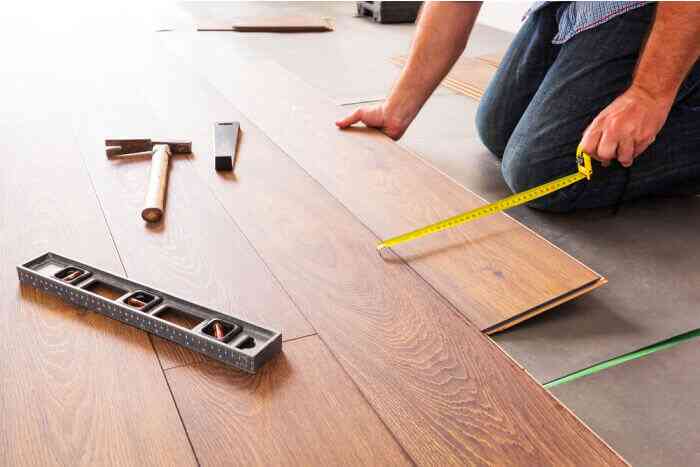
Replacing old flooring is one of the most noticeable ways to improve a home’s appearance, comfort, and functionality. Worn carpets, scratched hardwood, damaged tiles, and outdated laminate can make otherwise attractive rooms look tired. New flooring can give a property a fresh appearance while making everyday cleaning and maintenance easier.
However, the cost of replacing flooring in an American home depends on several factors. The material you select, the size of the area, labor charges, old flooring removal, and subfloor condition can all affect the final bill. A small bedroom project may cost a few hundred dollars, while replacing flooring throughout several rooms can require thousands of dollars.
Understanding typical installation prices can help homeowners prepare a realistic budget and avoid unexpected expenses.
What Is the Average Cost of Replacing Flooring in the United States?
In 2026, many flooring installation projects in the United States fall between $4 and $15 per square foot, including materials and labor. More expensive options, complicated layouts, and extensive preparation can push the price higher.
For a home with approximately 1,000 to 1,500 square feet of flooring being replaced, a general budget could range from $4,000 to $22,500. Premium materials or major subfloor repairs may increase that amount.
It is important to understand that this is an estimated project range rather than a fixed national price. Some homeowners replace flooring in only the bedrooms or living room, while others update nearly every finished space.
The actual cost depends on how much flooring needs replacement and which materials are selected.
Flooring Replacement Cost by Material
The flooring material is usually one of the biggest factors affecting the total project cost. Each option has a different purchase price, installation requirement, appearance, and expected lifespan.
Here are approximate installed price ranges for popular flooring choices in American homes.
| Flooring Type | Estimated Cost Per Square Foot |
|---|---|
| Carpet | $2–$8 |
| Laminate | $4–$14 |
| Luxury vinyl plank | $4–$16 |
| Engineered hardwood | $7–$20 |
| Solid hardwood | $11–$25 |
| Ceramic or porcelain tile | $7–$25 |
| Sheet vinyl | $2–$10 |
These figures are general estimates for materials and installation. Product quality, local labor rates, and project conditions can change the final price.
Carpet Flooring
Carpet remains a popular option for bedrooms, family rooms, and other spaces where homeowners want a softer surface. It feels comfortable underfoot and can make rooms feel warmer.
Carpet is often one of the more affordable flooring choices, with installation commonly costing around $2 to $8 per square foot. Premium carpet, thicker padding, and specialty designs can cost more.
Homeowners should also consider cleaning requirements and durability. Busy households with pets or children may need a carpet designed to handle stains and regular foot traffic.
Laminate Flooring
Laminate provides the appearance of wood or stone without the price of many natural materials. It is available in different colors, textures, and plank designs.
Installation generally costs around $4 to $14 per square foot. Many laminate products use click-lock systems, which can make installation relatively straightforward.
However, standard laminate is not ideal for areas with frequent moisture unless the product is specifically designed for those conditions.
Luxury Vinyl Plank Flooring
Luxury vinyl plank, commonly known as LVP, is a popular choice for homeowners who want a wood-like appearance with practical maintenance requirements.
It generally costs around $4 to $16 per square foot installed. Waterproof and premium products may be more expensive than basic options.
LVP works well in many kitchens, living rooms, hallways, and other busy areas. Its performance still depends on product quality and proper installation.
Hardwood Flooring
Solid hardwood offers a traditional appearance that many homeowners appreciate. It can last for decades when properly maintained, and certain floors can be sanded and refinished rather than completely replaced.
Professional installation commonly costs around $11 to $25 per square foot. Wood species, plank thickness, finish, and installation method influence the price.
Although hardwood requires a larger initial investment, its long lifespan can make it attractive to homeowners planning to stay in their property for many years.
Tile Flooring
Ceramic and porcelain tiles are frequently used in bathrooms, kitchens, laundry rooms, and entryways. They are durable, easy to clean, and available in numerous styles.
Tile installation can cost approximately $7 to $25 per square foot. Larger tiles, decorative patterns, complicated cuts, and additional surface preparation can increase labor expenses.
Because tile installation requires careful alignment, spacing, and grouting, professional labor can represent a significant part of the project cost.
How Much Does Flooring Replacement Cost by Room?
The size and layout of each room influence the amount of material and labor required. Small spaces may have lower material costs, but contractors sometimes charge minimum service fees for smaller projects.
Here are estimated costs for replacing flooring in common areas using different material choices.
| Room | Approximate Size | Estimated Installed Cost |
|---|---|---|
| Small bedroom | 100–144 sq. ft. | $400–$2,000 |
| Large bedroom | 192–240 sq. ft. | $800–$3,400 |
| Living room | 200–320 sq. ft. | $800–$4,800 |
| Kitchen | 100–200 sq. ft. | $400–$3,000 |
| Bathroom | 40–80 sq. ft. | $200–$2,000 |
These are broad planning estimates, not guaranteed contractor quotes. Tile, premium hardwood, unusual layouts, and additional preparation can make some rooms considerably more expensive.
For example, a homeowner replacing carpet in a bedroom may spend much less than someone installing porcelain tile in a bathroom with an uneven subfloor.
Additional Expenses That Can Increase the Budget
The flooring material and installation labor are not always the only expenses. Several additional services may be required before the new surface is ready.
Removing Old Flooring
Existing carpet, laminate, vinyl, or tile may need to be removed before installation. The removal price depends on the material, its condition, and how difficult it is to take out.
Old carpet may be relatively easy to remove, while glued flooring and ceramic tiles can require more labor. Disposal fees may also apply.
Ask the contractor whether removal and cleanup are included in the original estimate.
Subfloor Repairs
The subfloor is the surface underneath the finished flooring. If it contains cracks, water damage, loose boards, or uneven sections, repairs may be necessary.
Minor leveling work can add a manageable amount to the budget, but replacing damaged subfloor sections can become expensive.
Ignoring these problems may cause the new flooring to move, crack, or wear unevenly. It is better to correct the underlying issue before installation begins.
Underlayment and Moisture Protection
Some flooring products require an underlayment to improve comfort, reduce noise, or provide additional support. Other installations may need a moisture barrier, especially when the subfloor is concrete or the room has moisture concerns.
The correct materials depend on the flooring product and the manufacturer’s installation instructions.
Baseboards and Transition Strips
Replacing flooring can sometimes leave gaps around walls, doorways, and connections between rooms. Baseboards, quarter-round trim, and transition strips may be needed to create a clean finish.
Although these items may seem minor, their cost should be included when preparing a complete renovation budget.
What Factors Affect Flooring Installation Prices?
Two homeowners replacing the same flooring material may receive very different estimates. This happens because installation costs depend on more than the product itself.
Home location: Labor rates and material availability vary between states and cities. Projects in areas with higher living costs may be more expensive.
Room layout: Open rooms with simple shapes are generally easier to cover than spaces with many corners, stairs, closets, and doorways.
Material quality: Premium finishes, thicker planks, and specialized flooring products usually cost more than basic alternatives.
Furniture removal: Some contractors charge extra for moving furniture, appliances, and other household items.
Installation method: Floating floors, glued flooring, nail-down hardwood, and tile require different tools and levels of labor.
Project size: Larger projects may qualify for better per-square-foot pricing, although the total cost will still be higher because more material and labor are required.
Can Homeowners Save Money by Installing Flooring Themselves?
DIY installation can reduce labor expenses, especially with certain laminate and click-lock vinyl products. Homeowners who have the right tools and basic renovation experience may be able to complete straightforward rooms themselves.
However, professional installation may be a better choice for hardwood, complicated tile patterns, uneven subfloors, and large projects.
Before deciding, consider the cost of tools, underlayment, cutting equipment, wasted materials, and possible repairs if something goes wrong. A low-cost DIY project may become more expensive if the flooring is installed incorrectly.
If you are unsure about the process, getting a professional estimate can help you compare the real savings.
Practical Ways to Keep Flooring Costs Under Control
Replacing flooring does not always require choosing the most expensive materials. A few careful decisions can help homeowners improve their interiors without exceeding their renovation budget.
- Compare at least three installation estimates before hiring a contractor.
- Measure rooms accurately to avoid purchasing unnecessary materials.
- Select flooring according to each room’s moisture exposure and foot traffic.
- Ask about clearance products, seasonal discounts, and bulk pricing.
- Keep the existing baseboards if they are in good condition and can be reused.
- Complete several rooms together if the contractor offers a better combined rate.
- Address moisture and subfloor problems before installing new materials.
It is also wise to keep some money aside for unexpected repairs. Older homes may have hidden problems that only become visible after the existing flooring is removed.
How to Choose the Right Flooring for Your Budget
The cheapest material is not necessarily the best financial decision. Homeowners should consider durability, maintenance, appearance, and the amount of use each room receives.
For example, carpet may be suitable for a comfortable bedroom, while waterproof vinyl or tile may be more practical for a kitchen or bathroom. Hardwood can be attractive in living areas where homeowners want a traditional finish.
Think about how long you plan to stay in the property. If you expect to move within a few years, a reasonably priced and attractive option may make more sense than an expensive premium floor.
Request written estimates that clearly separate material prices, labor, removal, preparation, and additional charges. This makes it easier to compare contractors and understand exactly what you are paying for.
Planning a Flooring Project Without Financial Surprises
Replacing flooring in an average American home can cost several thousand dollars, but the final amount depends heavily on the area being updated and the material selected. Carpet, laminate, and vinyl may offer more affordable options, while hardwood and tile generally require a larger investment.
Before starting, measure the space, compare materials, inspect the existing subfloor, and collect detailed installation estimates. Remember to include removal, underlayment, trim, and possible repairs in your budget.
A well-planned flooring project can improve the appearance and everyday comfort of a home without unnecessary spending. Choosing materials that match your lifestyle and maintaining them properly can also help protect your investment for years to come.
