
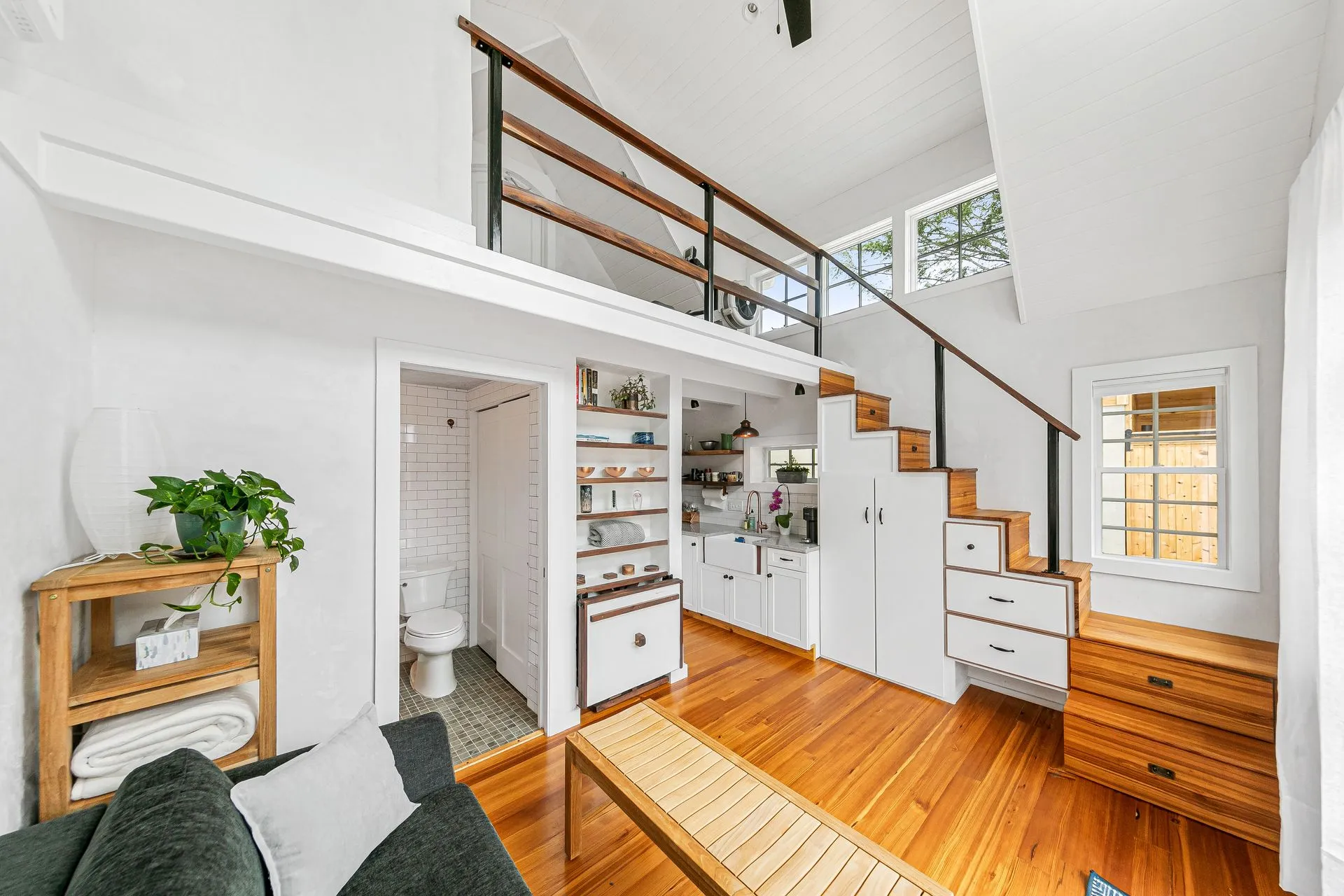
Living in a small home does not mean giving up comfort, organization, or a beautiful interior. Many families manage limited space every day while trying to keep clothes, kitchen supplies, toys, cleaning products, and household essentials organized. The real challenge is often not the amount of space available but how effectively it is being used.
With thoughtful storage choices, even a compact house or apartment can feel more spacious and easier to manage. Empty corners, unused wall areas, spaces beneath furniture, and overlooked cabinets can provide valuable storage opportunities.
The best approach is to create storage solutions that fit everyday routines. Instead of filling every corner with containers, families can choose practical furniture, organize belongings by purpose, and make better use of areas that are usually ignored.
Make Use of the Space Under Beds
The area beneath a bed is one of the most useful storage locations in a small home. It often remains empty even though it can hold many items that are not needed every day.
Families can use flat storage boxes, rolling drawers, or specially designed under-bed containers to keep seasonal clothing, extra blankets, shoes, and spare bedding organized.
Clear containers make it easier to identify stored items without opening every box. Fabric storage bags are another good option for clothing and linens because they can be folded when not in use.
For bedrooms with limited closet space, beds with built-in drawers can provide additional storage without requiring another piece of furniture.
It is also important to keep this area clean. Choose containers with lids to protect belongings from dust and avoid storing items that could be damaged by moisture.
Choose Furniture That Provides Hidden Storage
Traditional furniture usually serves one main purpose, but multifunctional furniture can offer additional storage without taking up extra floor space.
A storage ottoman, for example, can provide seating while keeping blankets, toys, or magazines inside. A coffee table with drawers or a lifting top can store remote controls, books, and other living room essentials.
Families can also consider:
- Beds with built-in storage compartments
- Benches with space inside for shoes
- Sofas with hidden storage sections
- Dining tables with drawers
- Storage stools for small rooms
These options are especially useful in homes where every furniture purchase needs to serve a practical purpose.
Before buying multifunctional furniture, measure the available area carefully. A large storage sofa may provide plenty of space, but it should not make the room difficult to move around.
Use Vertical Wall Space for Everyday Items
When floor space is limited, walls can provide extra storage without making rooms feel crowded.
Wall-mounted shelves are useful for books, decorative items, small baskets, and frequently used household products. They can be installed above desks, beside beds, or in unused corners.
Hooks and wall organizers can also help families keep everyday belongings in convenient locations. For example, a row of hooks near the entrance can hold jackets, handbags, school bags, and keys.
In the kitchen, wall-mounted racks can store cooking tools, mugs, and other frequently used items. In bathrooms, small shelves can hold toiletries and folded towels.
Vertical storage works best when items are arranged neatly. Avoid covering every available wall with shelves because too many visible objects can make a small room feel busy.
Organize Kitchen Cabinets More Efficiently
Kitchens often become crowded because they contain many different items, including cookware, dishes, food containers, appliances, and pantry supplies.
A well-organized cabinet system can make a noticeable difference without requiring a complete kitchen renovation.
Shelf risers can create additional levels inside tall cabinets. Instead of stacking plates or bowls in one large pile, families can separate them into smaller sections.
Pull-out organizers are useful for deep cabinets because they make stored items easier to reach. Lazy Susans can help organize spices, sauces, and small pantry products.
Other useful kitchen storage additions include:
- Drawer dividers for cutlery and cooking tools
- Stackable food containers
- Hanging racks for cups
- Door-mounted organizers
- Narrow pull-out shelves for unused gaps
It is also helpful to group kitchen items according to their purpose. Keep cooking tools near the stove, everyday dishes near the dining area, and frequently used food supplies in an accessible cabinet.
This arrangement reduces unnecessary movement and makes meal preparation easier.
Turn Small Corners Into Useful Storage Areas
Corners are often overlooked because standard furniture does not always fit properly in these spaces.
However, corner shelves, narrow cabinets, and compact storage units can turn unused areas into practical locations for household items.
In a living room, a corner shelf can hold books, plants, or decorative accessories. In a bedroom, a small corner unit may provide space for folded clothes or personal belongings.
A corner desk with built-in shelves can also work well in a small home office or study area.
For families with children, corner storage baskets can provide a convenient place for toys, building blocks, and other playtime items.
The key is to select storage pieces that match the size of the corner. Oversized furniture can block movement and make a small room feel even tighter.
Create More Space Inside Closets
Closets can become difficult to manage when clothing, footwear, bags, and accessories are stored without a clear system.
A simple closet organization plan can increase usable space and make it easier to find everyday items.
Start by removing clothing that no longer fits or is rarely used. Separate the remaining items into categories such as daily wear, formal clothing, seasonal outfits, and accessories.
Use slim hangers to reduce the amount of space occupied by hanging clothes. Shelf dividers can keep folded clothing in separate sections, while hanging organizers can provide additional compartments for shoes, bags, or accessories.
The upper area of a closet can store seasonal items that are not needed regularly. Place them in labeled containers so family members can identify their contents easily.
If a closet has unused vertical space, an additional shelf may provide room for storage boxes or folded bedding.
Make Better Use of the Entryway
The entrance of a home is often a place where shoes, bags, keys, umbrellas, and jackets collect. Without proper organization, this small area can quickly become messy.
A compact shoe cabinet can keep footwear arranged while protecting the entrance from clutter. Wall hooks provide space for coats and bags, while a small shelf can hold keys and other daily essentials.
Families with children may benefit from assigning each person a separate hook or storage basket. This makes it easier for everyone to put belongings away after returning home.
A narrow storage bench can also be useful because it provides a place to sit while putting on shoes and offers hidden space underneath.
Even a small entryway can become functional when each item has a specific place.
Use Bathroom Storage Without Cluttering the Room
Bathrooms often have limited storage because they contain sinks, toilets, showers, and other fixed fixtures.
To make better use of the available space, consider installing shelves above the toilet or adding a narrow cabinet beside the sink.
Over-the-door organizers can hold lightweight products, while shower caddies keep shampoo, soap, and other bathing essentials in one location.
Small baskets can separate skincare products, cleaning supplies, and personal care items. Drawer organizers are also helpful for keeping toothbrush accessories, grooming tools, and other small belongings arranged.
For families sharing one bathroom, individual baskets can prevent personal items from becoming mixed together.
Always choose storage products designed for humid environments. Materials that resist moisture are generally more suitable for bathrooms than ordinary untreated wood or cardboard.
Give Children’s Toys a Proper Storage System
Toys can take up a surprising amount of space, especially when children have different types of games, books, building sets, and stuffed animals.
Instead of placing everything in one large container, create separate storage areas for different categories.
Open baskets are convenient for frequently used toys because children can put items away without complicated instructions. Labeled boxes can hold building blocks, puzzles, art supplies, and smaller accessories.
Low shelves allow children to reach their belongings independently. This can also help them learn simple organization habits.
A storage bench or toy chest may work well in a play area, but choose a design with safe hinges or other appropriate safety features to reduce the risk of trapped fingers.
It is also useful to rotate toys occasionally. Keep some toys available while storing others for a later time. This reduces visible clutter and can make familiar toys feel interesting again.
Install Sliding Doors Where Space Is Limited
Traditional doors need room to swing open, which can make furniture placement difficult in narrow rooms or small hallways.
Sliding doors can help reduce this problem because they move along a track rather than opening into the room.
They may be useful for closets, bathrooms, laundry areas, and certain room entrances.
Pocket doors are another option because they slide into a space inside the wall. However, installing them usually requires more planning and may involve construction work.
Sliding doors do not directly create additional storage, but they can make better use of the available floor area and provide more flexibility when arranging furniture.
Before installation, check wall structure, track requirements, and the amount of clearance needed.
Keep Cleaning Supplies Organized
Cleaning products are often stored in different parts of the home, making them difficult to locate when needed.
A dedicated cleaning cabinet or storage area can keep these supplies together. Narrow organizers can fit beneath sinks, while wall-mounted holders can keep brooms and mops off the floor.
Use separate containers for cloths, brushes, sponges, and other cleaning accessories. Keep products in their original containers with labels clearly visible.
For households with children or pets, cleaning chemicals should be stored in locked cabinets or otherwise secured out of reach. Avoid mixing cleaning products, as certain combinations can release dangerous gases.
A well-arranged cleaning area saves time and helps prevent unnecessary clutter.
Use Foldable Items to Save Space
Some household products are used regularly but do not need to remain open all the time.
Foldable furniture and accessories can help families make better use of limited rooms.
Examples include folding dining tables, collapsible laundry baskets, stackable chairs, foldable drying racks, and wall-mounted desks.
A folding table can provide extra workspace when needed and be stored away afterward. Similarly, a collapsible laundry basket can be folded when empty.
These products are especially helpful in multipurpose rooms where the same area may be used for studying, working, dining, and relaxing.
When choosing foldable products, check their stability, weight capacity, and ease of operation to make sure they are suitable for regular use.
Build a Simple Storage Routine for the Whole Family
Even the best storage furniture cannot keep a home organized if belongings are constantly left in random places.
Families should establish simple routines that make organization part of everyday life.
A few useful habits include returning items to their assigned locations, sorting mail regularly, putting laundry away, and removing unnecessary belongings from shared spaces.
A short cleanup at the end of each day can prevent small messes from becoming larger problems.
It is also helpful to review storage areas every few months. Items that are no longer useful can be donated, recycled, or disposed of appropriately.
When everyone in the household understands where things belong, maintaining an organized home becomes much easier.
Making a Small Home Feel More Comfortable
Smart storage is not about filling every empty space with shelves, boxes, and cabinets. It is about choosing useful solutions that make everyday living easier while keeping rooms comfortable and accessible.
Under-bed containers, multifunctional furniture, vertical shelves, organized closets, and properly arranged kitchen cabinets can help families use their available space more effectively.
Start with the areas that create the most difficulty, such as crowded closets, kitchen cabinets, or messy entryways. Small improvements made gradually can produce meaningful results.
With a little planning and regular organization, even a small home can provide enough practical storage for a busy family without sacrificing comfort or style.
