
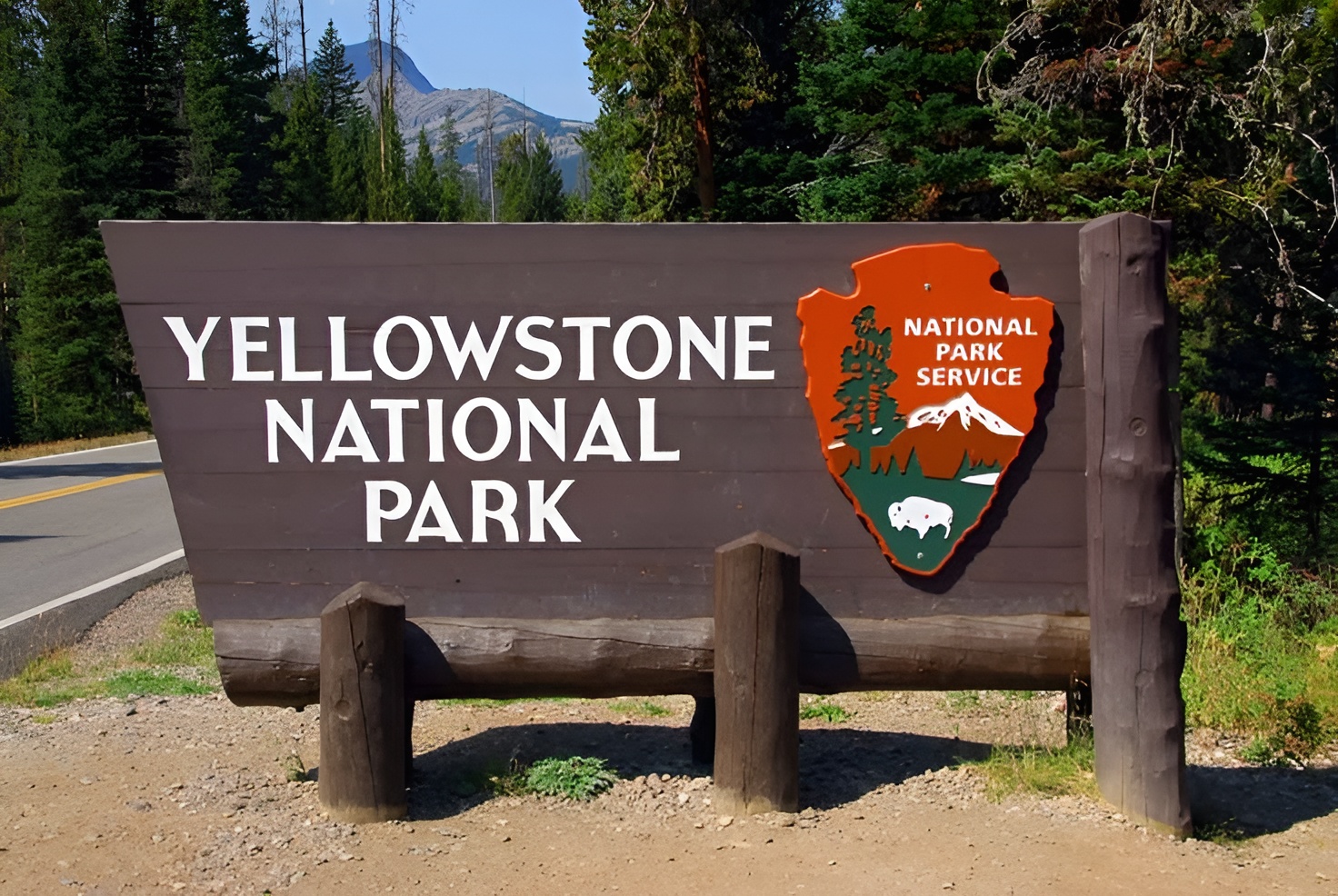
Yellowstone National Park: A Destination Like No Other
Yellowstone National Park is one of the world’s most famous natural attractions and holds a special place in conservation history. Established in 1872, it became the first national park in the world, inspiring similar protected areas across the globe. Located primarily in Wyoming, with sections extending into Montana and Idaho, the park covers more than 2.2 million acres of mountains, forests, rivers, lakes, and geothermal landscapes.
Every year, millions of visitors choose Yellowstone National Park to experience its remarkable scenery, abundant wildlife, and unique geothermal features. Whether you enjoy hiking, wildlife photography, camping, or scenic drives, the park offers unforgettable experiences for travelers of all ages.
The History of Yellowstone National Park
Long before Yellowstone National Park received federal protection, Indigenous communities lived, hunted, and traveled throughout the region. The area’s rivers, forests, and geothermal features held cultural and practical importance for many Native American tribes.
The park officially became the world’s first national park on March 1, 1872. This historic decision demonstrated the importance of protecting extraordinary natural landscapes for future generations. Today, Yellowstone continues to serve as a global model for conservation and environmental stewardship.
Yellowstone National Park’s Famous Attractions
One of the biggest highlights of Yellowstone National Park is its geothermal activity. The park contains thousands of hot springs, geysers, mud pots, and steam vents because it sits above a massive volcanic system beneath the Earth’s surface.
The most famous attraction is Old Faithful, a geyser known for its relatively predictable eruptions. Other popular locations include Grand Prismatic Spring, Mammoth Hot Springs, Yellowstone Lake, Lamar Valley, and the Grand Canyon of the Yellowstone. Each destination offers a different perspective on the park’s natural beauty.
Wildlife You Can See
Yellowstone is home to an impressive variety of wildlife, including bison, elk, wolves, grizzly bears, black bears, moose, coyotes, and bald eagles. Visitors often spot large herds of bison grazing across open valleys, while Lamar Valley is widely recognized as one of the best places to observe wolves and other native animals.
Outdoor Activities
Visitors can enjoy hiking, camping, fishing, wildlife photography, ranger-led programs, and scenic drives. The park also offers excellent opportunities for birdwatching and stargazing. During winter, guided snowcoach tours, snowshoeing, and cross-country skiing provide a completely different way to experience Yellowstone.
Planning Your Visit
Summer is the busiest season because most roads and visitor facilities are fully open. Spring and autumn usually offer fewer crowds and excellent wildlife viewing opportunities. Winter creates a peaceful atmosphere with snow-covered landscapes and unique recreational activities.
Because weather conditions can change quickly, visitors should wear layered clothing, carry sufficient water, and plan travel routes in advance. Staying on designated trails and boardwalks helps protect both visitors and the park’s fragile geothermal features.
Conservation Efforts
Protecting Yellowstone National Park requires ongoing scientific research and responsible visitor behavior. The National Park Service works to preserve wildlife habitats, monitor geothermal activity, maintain trails, and protect natural resources for future generations.
Visitors also contribute to conservation by following park regulations, respecting wildlife, disposing of waste properly, and leaving natural features undisturbed. These simple actions help preserve one of the world’s most valuable protected landscapes.
Conclusion
Yellowstone National Park remains one of the most extraordinary destinations in the United States. Its combination of geysers, colorful hot springs, diverse wildlife, mountain scenery, and rich history attracts millions of visitors every year.
Whether you are planning your first visit or returning to experience another season, Yellowstone National Park offers something new every time. By respecting the environment and supporting conservation efforts, visitors help ensure that this remarkable national park continues to inspire future generations.
